Shaan Patel: How to Make a Book Pay for Itself
✨ Episode Summary
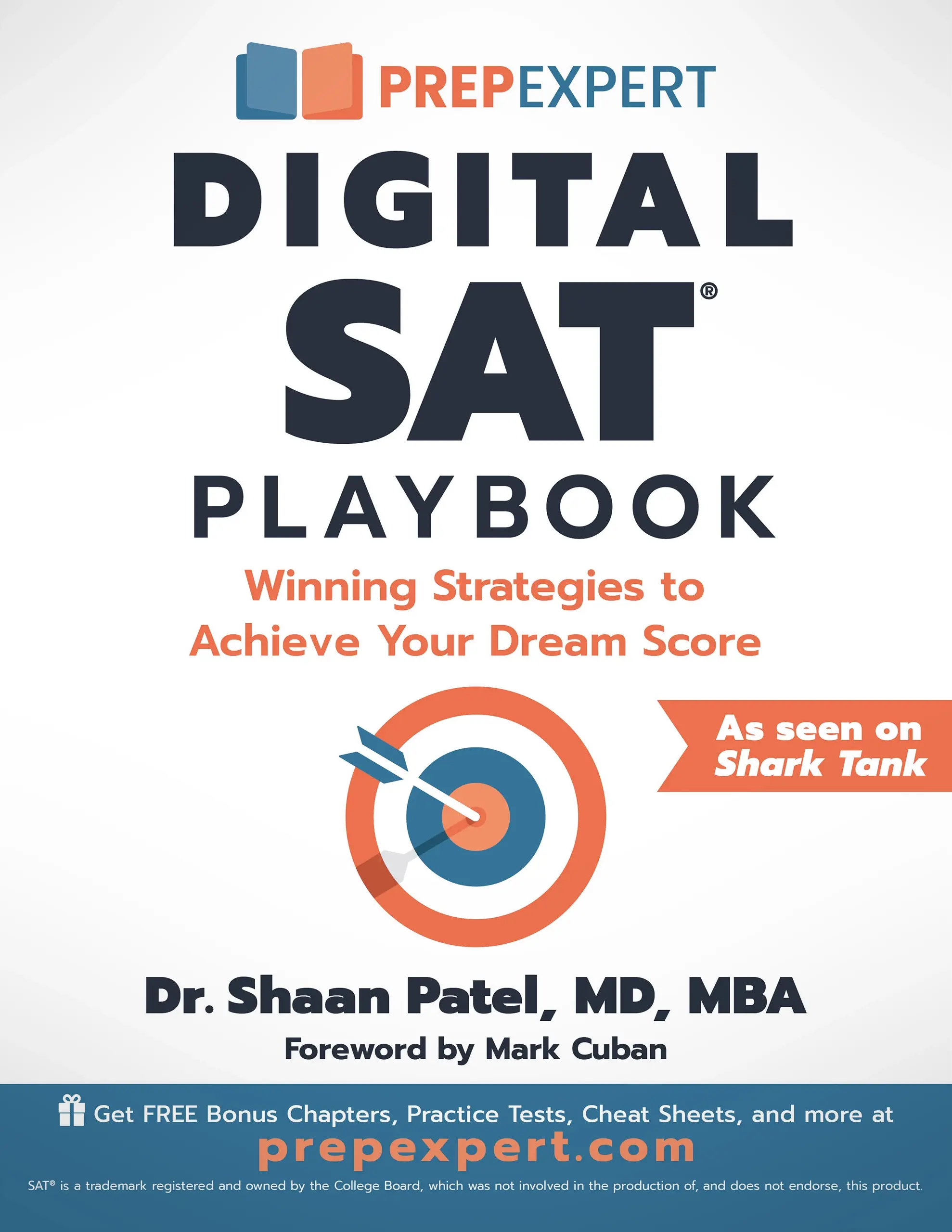
Shaan Patel, a Shark Tank veteran and 15-year operator of SAT/ACT prep company Prep Expert, used his Scribe-published Prep Expert Digital SAT Playbook to double his company's annual revenue between 2024 and 2025 — a turning point he can pinpoint to the day of the launch event. He estimates the project has returned at least 10x on Scribe's investment, with 20x within reach, and the book has sold 20,000–30,000+ copies in the niche SAT-prep market in under two years. On top of that, royalty math alone runs to tens of thousands of dollars per year — Shaan now makes $13 per copy versus the 30–50 cents per copy he earned on his prior McGraw Hill bestseller.
⭐ Top Moments
-
20x ROI on the Scribe Project + Doubled Annual Revenue — "The amount that we spent on the Scribe project has generated a 10x plus return ever since, if not 20x." Pairs with the doubled-revenue claim ("We doubled revenue compared to 2024 and 2025.") and the pinpoint line ("I can pinpoint literally my book launch event date from that."). This is the single biggest outcome in the transcript.
-
20,000–30,000 Copies Sold in Under Two Years + $13/Book Royalty — "I think we've sold already over like 20 to 30,000, somewhere in that range of the books, which is, you know, to be a highly niche industry is pretty impressive to continue to do that." Pairs with "The book itself generates tens of thousands of dollars in profit from the royalties every year." At a $13/book Scribe royalty vs. 30–50¢ on his McGraw Hill bestseller, that's a 26–43x royalty multiple — a Scribe-vs-trad-pub case study by itself.
-
Highest One-Week Revenue in Company History (Launch Week) — "We had our highest one-day revenue ever since we aired on Shark Tank in 2016. We had our highest one-week revenue in company history. We did more revenue during the book launch week than we did all of the previous month." Hit #1 in multiple Amazon categories the same week. The single biggest revenue moment in Prep Expert's 15-year history.
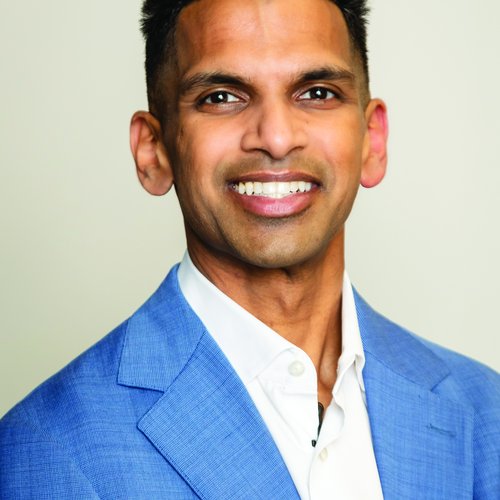
Shaan Patel
Dr. Shaan Patel is founder and CEO of Prep Expert. As seen on ABC’s “Shark Tank,” Prep Expert is an education company that has helped more than 100,000 students improve their SAT and ACT scores, get into top colleges, and win over $100 million in scholarships. Dr. Patel has more than 20 years of experience in SAT prep and has published more than 10 books on the subject of test preparation. A board-certified dermatologist, Dr. Patel was named one of Inc. Magazine’s “30 Under 30.” He holds degrees from Yale University and the University of Southern California.
★ Scribe Case Study
How Shark Tank Winner Shaan Patel Leveraged a Book Launch to Drive Record Revenue for Prep Expert
Shaan Patel used his Scribe-published Prep Expert Digital SAT Playbook to double Prep Expert’s annual revenue and drive a 10–20x ROI on the project — plus the highest one…
📚 Books by Shaan Patel
Shaan Patel: How to Make a Book Pay for Itself — Author Hour podcast with Eric Jorgenson, featuring Shaan Patel. Duration: 37:39.
Transcript
Eric Jorgenson: Sean, thank you so much for doing this and I'm excited to finally be able to talk publicly with you about a project that's been years in the making in private.
Shaan Patel: Yeah, same here. No, it's been a really good experience with Scribe, publishing my book and excited to talk about how that experience was as well as the results we've gotten from it since.
Eric Jorgenson: Awesome. Yeah. You're a shining example, I think of like an author that really made their book work for them and their business. But before we sort of can get into that, I feel like we've got to set the scene a little bit. So can you give us a little bit of background on like you and your business and kind of the ecosystem that this book was born into?
Shaan Patel: Yeah, for sure. So my name is Sean Patel. I'm the founder and CEO of a company called Prep Expert. We're essentially a test preparation for SAT and ACT courses. We do some one-on-one tutoring, college consulting, everything kind of in the education space, primarily for high school students and their parents. I've owned the business for a really long time. It's been almost 15 years and we've helped over 100,000 students now improve their test scores, get into top colleges, win scholarships. It's been an amazing ride. The highlight of the company for me was when I pitched it on Shark Tank, made a deal with Mark Cuban. He's been an amazing investor, advocate and partner for the company ever since. and I came to Scribe a couple of years ago now, I wanna say almost two, three years ago, and approached, I've published books in the past, but I wanted to do more of a professional self-publication than the past, and we published a book called Prep Expert Digital SAT Playbook, and it's been amazing for my authorship, thought leadership, but most importantly, my business ever since, and so, yeah, that hopefully gives people some context.
Eric Jorgenson: Yeah. So you published a few times, like full DIY self-publish over the course of this business, right?
Shaan Patel: Yeah. Yeah. So my publishing story is kind of funny. Originally, before I ever started the company, I just wanted to publish an SAT prep book. And what ended up happening was I pitched a hundred literary agents and publishers. This was back in like, two thousand ten so fifteen years ago prior to i'd say self publishing was like became really kind of mainstream i mean it was happening for sure but it certainly wasn't at the level that it is today so you know if you really wanted to get distribution back then the real the real play was to go through a major publisher So I pitched a bunch of publishers, you know, Penguin, Random House, et cetera. Ended up getting 100 rejections. Every single one said, you know, SAT prep market's too competitive. You don't have a platform to write the book, et cetera. And so I ended up taking all that content that I had written and I turned it into a prep course. And that's really how Prep Expert was born. And in my very first six-week course that I ever taught, my students had an average score improvement of 376 points to their scores on their SATs. Yeah, and so it is well because like for context for listeners, that's a cool bit of taking a student from the 50th percentile, putting them in the 90th percentile. And so, you know, I had a lot more traction than I had parents and students who wanted more courses. And then one of the publishers that had previously rejected my book deal came back, saw that I was building an audience, saw that I was building a platform. And it was actually McGraw Hill, which is the world's largest education publisher. Ended up giving me the book deal and what I had originally wanted. So it's kind of one of those funny things about life where you take this other route and you end up getting what you originally wanted anyway, which for me was the book. So we published a book called SAT 2400 and Just Seven Steps. I think it came out in 2011 or so and maybe 2012. I'm getting my years mixed up. It's been so long ago. But anyway, it ended up selling like over 50,000 copies, which is big for the test prep space. It went number one on Amazon for SAT prep. It did well overall, but I barely saw any royalty from it. You know, I was making like, you know, 30 cents, 50 cents a copy, something like that. And so after that first book i ended up self publishing a bunch of other test books entrepreneurship books but it was very i would say like you described a DIY i didn't really know what i was doing we went to create space amazon ktp etc but. It was not nearly to the level that my first book through mcgraw hill was highly professional highly you know work with great editors work with great type setters etc. And so i always wanted to get back to that original level but without having to you know take the. kind of pay cut that you do through a major publisher. And so that's when I found scribe and it was, it was kind of the perfect match between self publishing, but still getting that professional level of publication.
Eric Jorgenson: Yeah, that's how I often describe it is like traditional publishing quality with self publishing freedom at ROI. Like that's the, that's really like where we shine. And when, when we meet an author like you has experience on both of those is like, wow, I really liked the Polish coming out of a traditional publisher, but I didn't like the ROI or, or I've done the DIY and man, is it hard. It's, you know, it's like building your own house. Like you could do it, but God, it takes a long time to get it right. And you got to be willing to make some mistakes and spend a lot of time on YouTube and redoing stuff. And I mean, especially books of your complexity. Like I can't imagine doing an SAT test prep book on create space. Like. Very hard. Very, very hard.
Shaan Patel: It was not easy. Yeah, yeah, yeah. I mean, publishing a book in the first place is not easy, but publishing a test prep book with these diagrams that are highly complicated with these special figures and notations and equations. Checking answers. Yeah, yeah, it's crazy. Page layouts different, yeah. Yeah, yeah. It's not as simple as just putting text on a page for sure. Yeah.
Eric Jorgenson: So tell me about this one specifically. Are you publishing a new book every couple of years? When you went out with this book as a project, what were your goals and expectations for it?
Shaan Patel: Yeah. So really the frequency that I publish books is really the frequency with how often the test tick changes. So the SAT or the ACT will probably change. I mean, not that often, like every eight to 10 years. So we're not publishing that often. With that being said, you know, each there's two different exams. So, you know, it might be every three or four years that we're putting out a new book. a new set of strategies, et cetera, for parents and students. And so with this last book that I did with Scribe, there was a major shift in the SAT prep world, which is, you know, you and I, we took the SAT on paper and it went fully digital now. So there was a brand new format, brand new question types, brand new strategies to go through. And so I thought it would be the perfect time to do this like brand new polished book publication, brand new launch, and I was seeing, you know, book books had always been a lead generator for me, but I saw a much bigger opportunity this time around with the revamp of SAT prep with the book. I did a really big book launch kind of, you know, hermosy style, but more kind of in my particular space. And then, you know, I saw there's some really cool marketing funnels I wanted to create. So it was just like the perfect storm of. things happening at once that I thought it would be a really good opportunity to do it in a really professional way with Scribe.
Eric Jorgenson: Yeah. This is where I want to dive in deep. Your launch was very well done and you saw great results from it. I'm really curious. You had a very clear business case for this book. You had published books in the past. You knew what it could drive to the core business. We really planned for that from the very early stages. Can you take us through as much of that as you can or as you're comfortable with in public here?
Shaan Patel: Yeah, for sure. So, you know, part of the reason or part of the strategy behind the book launch was, or part of the reason for the publication was to put together this really large book launch event, which would launch the book right before this new digital SAT came out. And with the book launch event, we would register tons of parents and students. We would be able to sell the book, but also sell our main revenue driver at the business, which would be courses. And so what we did was we put the book launch event together literally the week before the new digital SAT was coming out. We registered close to, I want to say 10,000 parents and students. We ended up selling over a thousand books. So, you know, converting about 10% of those registrations. We ended up going number one in various Amazon categories, including SAT test guides. ACT task guides, education and learning, and we were like in the top three for various other categories. We had our highest one day revenue ever since we aired on Shark Tank in 2016. We had our highest one week revenue in company history. Yeah we did more revenue during the book launch week than we did all of the previous month so it was pretty incredible. I think I highly encourage any authors out there listening to consider a book launch event I think it's really good it helps get the author story in front of your audience and then on top of that you get all the business results if you put together a really good offer or package at the end of it that people can take advantage of.
Eric Jorgenson: So what was that like, what were the specifics of that event? It was a, like a live webinar. How long was it? Like, what did you take people through? What was that offer that they converted on?
Shaan Patel: Yeah, so the specifics were, so this is one thing I would also encourage is I didn't really call it just a book launch event. I mean, it was a book launch event, but I made sure there was some value that the audience was getting. So in my particular case, I think it was seven strategies to improve your test scores and get scholarships. So it was some real good takeaways that parents and students could get, but those takeaways would actually be previews of what's inside the book, right? it was a great segue at the end to offer the book i think we did like a 30 40 discount on it that they could convert on and we had that offer going for a week and then on top of that we did a 34 so i had a built-in business right so i had 30 to 40 discount on our courses that just to celebrate the book launch that would they could take advantage of during the week so so that was really kind of the the offer at the end. So like if you have kind of a coach or consulting business, it's, I mean, a book is a no brainer because you're able to kind of pair that book with your coaching courses, consulting, whatever coaching you may be offering. I'm sure it works with other products and services as well. I'm just not as familiar with them, but speaking from my own experience in the course consulting business, it works really, really well.
Eric Jorgenson: Yeah. So were there any other kind of key components at that launch week itself?
Shaan Patel: You know, it's really important to build up some anticipation. So one of the other things I was doing a lot of during that week and the week before and week afters was a lot of media. So media in the form of podcasts. in the form of traditional news. I think we did a few local news interviews. Local news interviews are generally easy to get for authors. I think we got some national news too. So I think being able to leverage some media coverage, when you have an event and you have something really powerful with takeaways, it's no longer about the book, it's about all this great value that audiences can get from the event. So you're more likely to get media coverage that way. And that obviously promotes the event and the book. It's a win-win.
Eric Jorgenson: Yeah. Yeah. And you did a great job. You planned for the shift. You knew when the media was going to be excited to talk about this. And when the test changes, that's a headline. And the media wants to talk about it. And you show up as an expert to help them talk about it. And then that leads back to the business and back to the book and everything else. It would be hard to make this a headline without a change. So you correctly identified, this is my moment. I'm going to make the most of it.
Shaan Patel: Yeah, yeah, it's not often the SATs in the news, but I figured out that every eight to 10 years when the test does a major shift, usually the news does want to cover that. So I think the takeaway for audiences would be figure out how to make your particular, if there's something happening in your industry that's particularly relevant, I think it's a good idea to capitalize on that.
Eric Jorgenson: Yeah. And so this also was, I mean, a huge launch event, drove a lot of sales for the book, drove a lot of sales for the course. But I know that there's also like, I'm sure this is a book with a tremendous long tail where like every month, every year there's new students sort of graduating into the need for this product. Have you seen like a long-term tailwind as a result of this book?
Shaan Patel: Oh, definitely. Yeah. We've sold more books in 2025 than we did in 2024. In 2024 is when we had the launch event. I think we've sold already over like 20 to 30,000, somewhere in that range of the books, which is, you know, to be a highly niche industry is pretty impressive to continue to do that. And then we constantly now more than ever before have We track this in our CRM. We have parents and students who originally bought our book, then sign up for our courses. It's been exactly what we had hoped the book would serve as, a tremendous lead generator for our business.
Eric Jorgenson: At that level of sales, you're probably making money on the book as its own asset.
Shaan Patel: Yeah, oh yeah, definitely. I mean, the book itself generates tens of thousands of dollars in profit from the royalties every year, which is impressive for, you know, as I was mentioning, I was getting, you know, 50 cents a book before. Now I'm getting, I think it's kind of crazy. Amazon gives because the retail price on test prep books is pretty high, like, you know, 35, $39. I'm getting like $13 a book in royalty profit. So it's a really nice profit generator just from the book without even adding on everything else.
Eric Jorgenson: Yeah. Do you invest, do you spend money on Amazon ads? Do you put marketing into the book specifically as a product?
Shaan Patel: It's a great question. So we've tested Amazon ads. It's been really hard for us and maybe we need to do some more testing to actually be profitable on the Amazon ads. What's super worked super well that this is more I would say an advanced strategy for it may not work for all companies or authors, but What's worked better for us is to actually do kind of like a free book funnel through like meta ads. And so what we'll do oftentimes is we will run an ad that says, you know, get the book for free, just pay shipping, pay $5, $7, whatever it may be. But that generates us a ton of leads. And because of order bumps and post checkout upsells, we can often actually not only break even, but be profitable on those ad costs. And so it's kind of like we're getting leads for free. Even if we can just break even, we're getting leads for free because, you know, the shipping costs plus the order bumps and upsells end up paying back all the ad costs. And now I have all this lead information to be able to be in our ecosystem of emails and SMS and, you know, eventually buy courses and consulting and tutoring down the line.
Eric Jorgenson: Yeah. That's a really, that's a great one. I get a lot of authors have questions about that, but it doesn't always like not every book converts on that. And it's still, I mean, a lot of people, I think skip straight to the like, well, just download the free PDF and use that to convert the email subscriber on the lead magnet. They don't make that extra leap for like, I'll handle the physical fulfillment. And you want to charge even a little bit to collect that payment information, but there's so much more signal in that. And I'm sure you see that in the, you know, the upsells and the conversion down.
Shaan Patel: Yeah. Yeah, that's the interesting part because obviously, you know, the free PDF is obviously the classic free book model. But we found that actually offering someone something physical and making people pay five dollars or seven dollars. The lead is worth, I think, when we calculated out like five times more, three times more than just someone who's going to download a free PDF. So it's like you're getting a much more valuable lead. On top of that, you know, people like people see free PDFs, free downloads all the time. It's like nonstop. So being able to actually fulfill a free book, even though I'm losing money on that book, I usually make it back in upsells and order bumps, et cetera. So if you can make it work, it's one of the most powerful, I would say, lead generators for businesses out there. Now, like you said, it's not applicable to everyone, but it is something to test. Yeah.
Eric Jorgenson: Well, especially for you, you know, your book is so directly correlated with the course, the offering, like it's all the exact same time. Like there's no risk that a person who needs that book isn't going to also need the course, right? Yeah, exactly.
Shaan Patel: It's, it's my exact specific lead that I need is it's perfectly targeted. Yeah.
Eric Jorgenson: We should talk more about the Amazon ads because I think that's, when you know for sure the same logic of like, elite is worth three to five X. And if you're clever about the book sort of leading into the online ecosystem, which I'm sure you are, and I would like to learn more about how you did that. even if you are breakeven on the Amazon ads, you are acquiring additional sort of potential customers. You don't gain that information right away. They have to sort of take that extra leap on their own. But yeah, when you've got a, you know, especially, you know, your margin of per book is so much higher than anybody else advertising on Amazon. I would think you'd be able to kind of bid your way to the top pretty effectively.
Shaan Patel: Yeah, I think it's just maybe my media buyer doesn't have as much experience. It is a different platform. It is, yeah. Most people are very familiar with Meta, Facebook, Instagram, Google. I would say Amazon, you really have to get a specialist in there. And so maybe we just haven't found the right person to run the ads yet.
Eric Jorgenson: Yeah, interesting. Okay, so talk to me about, did you do anything in the structure of the book itself to bring people into the digital ecosystem or upsells of the courses or anything like that?
Shaan Patel: Yeah, oh, for sure. So I think we offered a few call to actions. I would say it's a pretty big book, like 300, 400 pages. And so every 100 pages or so, there's a QR code with a call to action to a free checklist or a free bonus chapters, free whatever it may be. And really the idea there is to get parents and students to take that next step. and hopefully give us their lead information in exchange for some value that we're giving them. I think the goal of books really should be to nurture your leads over time. If you can get enough people into your ecosystem, you will make money as a business owner.
Eric Jorgenson: Yeah. I think there's definitely a very different level of service between like, I bought the $40 book and I'll do the work myself versus I really want the outcome that this book is showing me as possible, and I'm willing to pay the $400 or $4,000 for the more full immersive experience or personal coaching, consulting, whatever, to close that gap. But the credibility that it takes to get to that four-figure offer sometimes only happens as a result of someone spending hours or tens of hours in your book, sort of coming along and be like, oh man, everything this guy's giving me is so helpful and so on point and I'm making progress, but not quite making enough progress. I really want to smash this. Let's take the next big step.
Shaan Patel: yeah i think you know i think some authors including myself sometimes fear like oh well should i really put it in a book it's going to cannibalize my sales otherwise but the way that i've kind of found is it's actually the opposite you end up getting more customers than you would have otherwise i mean it's just because they've been almost engrossed in your content for so long. They know, like, and trust you because of the book. And then the other thing is a lot of people, they may buy your book and they'll go through a little bit and they liked what they read, but it's really hard, at least in my industry, to go through a 400 page book on your own. It's just a lot more valuable to have that one-on-one tutoring or some coaching, some consulting, some experts to help you through the way. And I think that's generally true for a lot of industries.
Eric Jorgenson: Yeah, a hundred percent. It's almost like an audition. It's like a first date. It's somebody getting a feel for you and your style and whether they think you're the right person to solve this whole thing. Do you have any sort of clever distribution hacks or partnerships for this book? You know exactly who your target audience is, right? You know where they are, you know who they are. It's probably hard to get into high schools, I'd imagine. Are you pretty much relying on the internet ecosystem and search traffic and ads, or is there any way that you've been able to insert this book into people's lives at the right time?
Shaan Patel: Yeah, so I will say that 15 years ago when the publisher said the SAT prep market is super competitive, that is 100% true. And the partnerships are few and far between because they usually stem from very deep entrenched relationships between school districts and certain people. So it's very difficult to crack that system. With that being said, I found a lot of success on the direct to consumer side. So whether that be Amazon meta ads, as I talked about with the free book funnel, and then honestly, just reputation over time. I think having been in this industry for 15 years, having that first book do so well, Now, my latest book still gets notoriety from that. And I think for most authors, you really have to think about authorship, I would say, in a decades game, not a years game. And so I'm like in my second decade, I'm sure the third decade will be even better because you've built a great reputation over time that keeps me in the top 10 or 20 of the SAT prep names in the industry on Amazon, on other platforms, et cetera.
Eric Jorgenson: Yeah. What's the breakdown of, you know, you say direct to consumer, like is your consumer more often the student or more often the parent? Like what's the breakdown there?
Shaan Patel: Yeah, so it's a really good question. So I'm in one of the few industry, I mean, I'm sure there's plenty, but I'm in one of the more rare industries where the customer and the consumer are different, right? So the customer is the parent of the high school student and the consumer is the student. And that makes logical sense, right? A student's generally, one, not gonna have a credit card to pay for a course or a book. And then two, a student's not going to want to shoot you a course or a book. And so it's usually the parent paying for it and encouraging the student. Now we do have some students who are very motivated and they're the ones encouraging their parent, but it's usually the other way around.
Eric Jorgenson: Yeah. Interesting. Okay. Are there any other places that the book has sort of benefited the business? I often explain to people unexplained good things will start happening and a book will just kind of be like a tailwind for all these other things that you do. Sometimes people know and sometimes they don't, but it's always worth asking, where have things felt easier or happened by surprise? What other ways that you maybe didn't anticipate that you've involved this book in your business?
Shaan Patel: Yeah, it's a great question and I would say it's hard to pinpoint exactly where, but I know that it has had a net positive impact and the reason for that is because we had record revenue the past year. We had record revenue that actually significantly record revenue. Like we doubled revenue compared to 2024 and 2025. Yeah.
Eric Jorgenson: And so. And this is like not a small business. Like you don't have to divulge numbers, but like I know enough to know this is a very significant business to be doubling.
Shaan Patel: Yeah. So to do that at our scale has been incredible. And, you know, I can actually pinpoint from the day that we did the book launch to, you know, ever since our revenue has never been down month over month and, or not, not month over month. I would say like when you, we're very seasonal business would be the, if you compare the same month to the previous year, we've never been down. So like, You can't compare February to March, we can compare February to February of the previous year. And so we've been constantly increasing revenue every single month, year over year. We've doubled basically, I think we're slightly under double, but very close to doubling in 2025 compared to 2024. And i can pinpoint literally my book launch event date from that so what is that tell me like i can't track every customer right but i do know that the book is gender you know before that book launch. we were, I can tell you the opposite story, which was our revenue was decreasing for a couple of years, we were having challenges, you know, there was this test optional environment. Now we are getting some tailwind with, you know, colleges reinstating standardized testing requirements. Of course, there's some demand factors there too. But we were kind of always struggling where to get leads from now it feels like leads like you said just get easier it just comes freely we have too many leads almost you know it seems like there's constantly a new inflow of leads and it's like where are these leads coming from you know sure it's some of the other marketing avenues and strategies we're doing but i can attribute a lot of it to the book I'll be on webinars every month and I'll say, where'd you hear about, prep expert, where'd you hear about us? And some people will say podcasts, some people will say this or that, but many people will say, oh, I got your book, I got your book, I got your book. And I'll see that in the chat over and over. And so, things get much easier when you have a really Well put together book you know i made a lot of mistakes when i did the the self publishing on my own you know for example major mistake i had at one point i think i only did ebooks cuz it was too hard to do the. print books and that was a major opportunity lost people at least in my industry really like the physical book and there's just you know I see the physical book sells way more for me than ever so like I was just missing a lot of leads I was missing a lot of things when I was doing the DIY self-publishing and By, you know, now I have it with Scribe. We did the paperback, we did the hardcover, we did the e-book, we did the audiobook, and I'm seeing audiobook sales go up. I had never thought someone would listen to an audiobook of an SAT prep book. And, you know, I actually think that many of those people get more indoctrinated than anyone else because they're hearing my voice for, you know, 18 hours or whatever.
Eric Jorgenson: And so they're more encouraged by that.
Shaan Patel: And so It's super interesting to see if you do it at a professional level to the level that a major publisher would do in the traditional industry, you really do see positive long-term effects on your thought leadership, your business, et cetera.
Eric Jorgenson: This is a great example of yes, the book is profitable on its own and you can earmark that specifically. Yes, people who read the book and buy the book then opt into bigger packages and drive more of the core business, but I bet there's also, you sort of talked about this earlier with the meta and how you drive the funnels. Having that book makes your ad spend more efficient. It makes your other channels perform better, which is a thing that a lot of people I think don't really Don't really fully appreciate like almost everybody these days has multi touch attribution and you need to hear about something so many times before you convert. But it's it's just takes another creative leap to understand that like. your meta and Google ads will be performing better because you have a book out there that like shows up with the Google, these search terms or, you know, as part of your funnel or this self-liquidating offer, or it's the fact that they buy your book and then it sits on their desk for a month, like driving impressions, eyeball impressions from inside their house that then drives them back to your website a month later.
Shaan Patel: That honestly, I think that's actually one of the biggest reasons that I give the book away for free is I think a lot of parents will get that free book offer on meta ads and realize their student never opened that 500 page book. And so they're like, Okay, you know, we're gonna buy a course now. So it is just sitting there. Yeah, so it's really funny. But No, 100%, you know, the marketing ad spend, the ROAS, the odd meta specifically, because that's where we mainly acquire customers has certainly improved and we've been able to scale. And a big reason for that is not only the free book funnel, but all of our other channels are getting those leads input, that data input on, okay, who bought the book, who's getting the book, who's what leads are coming in there, let's show them a webinar, let's show them our Black Friday sale, let's show X, Y, Z. So it improves the ROAS of every other campaign you do. Yeah.
Eric Jorgenson: Yeah, and that flywheel. If you double the effectiveness of those ads, the amount of cash that frees up to then reinvest in more ads, it's amazing.
Shaan Patel: Yeah. And look, we're not saying anything, I think, brand new. Everyone knows about free lead magnets, but what I would say is, When you have a book and it's a good book, like this book took me a ton of work to put together. If you put together a really, really, really good book, it's a really, really, really good lead magnet, right? Because it's your best material, it's like you're showing off your absolute best stuff, it's well put together, it looks good, it reads well, et cetera. That's going to show up well versus like, okay, download this free checklist that took, you know, that AI did in two minutes or whatever. It's like, that's not going to create a great impression for you, your business. And you're probably not going to convert that lead into the whatever other offers, product services you'd like in the future. Yeah.
Eric Jorgenson: Yeah, that is something I say very, very often is like, there's very little return to writing a crappy book because you're not going to be proud of it. People aren't going to like it. It's not going to build trust. It's not going to drive conversions, but like if you invest in writing a great book, it is the equivalent of getting a PhD or you have one or earning a gold medal or something. It is an objective criteria that changes people's relationship with you, but it has to be that good. A bunch of the decisions that you made in terms of using your business's brand as the publishing imprint to elevate the professionalism of it and to create the scale of the business and the professionalism of it. I think all of that, especially with a lot of your competitors, I'm sure are like digital only kind of like slop products that really like sets you above them.
Shaan Patel: Yeah, yeah. And I think it's a great way to compete against, because there's so many AI competitors in my industry, but I'm sure every other industry. When you write a really good human book, people notice. People can tell that this is something different here. And people, I think, are going to crave that human touch more and more, and the more you can personalize and humanize things. It's actually a great differentiator in increasingly AI competitive markets.
Eric Jorgenson: So this might be tough given the amount of unexplainable, untrackable good things that we've talked about this book driving, but like, do you have any sense of the ROI of this particular project in terms of marketing spend to return in revenue?
Shaan Patel: It's a great question. I would say it's at least a 10x at the very minimum, if not more than that. The reason that I'm hesitating to answer the question is because everything works in concert. This dollar over here isn't always responsible for this $3 over here, because it's like, There's so many things working together at once that it's very hard to, I think this is why attribution is so difficult in the marketing world. You can slice and dice it in different ways, but I would say at the minimum, the amount that we spent on the Scribe project has generated a 10x plus return ever since, if not 20x. It all depends on how you attribute it, what you're attributing, et cetera. in terms of like the meta ad spend, I mean, we consistently see three to four X ROAS, which is really kind of the sweet spot you want to be. I would say for any marketer is you want to be in like a three to four X means like you're not scaling too slowly, not scaling too fast, and you're still scaling profitably. And that's really that sweet spot that I want to be and where we're at now. Yeah.
Eric Jorgenson: That's so awesome. Yeah. And, and we're, you know, for context, we're only let me less than two years since publication. Right. So, so this is, you know, if this trend line continues and the book continues to sell, like this is just going to keep bearing fruit for you for many, many years, which is really awesome.
Shaan Patel: Yeah, it's been amazing. Like, you know, when I met with you a couple years ago and I gave you the idea for what I wanted to accomplish in this very short timeframe, it sounded impossible, but your team made it happen. So I want to thank you and your team for putting the book together in such that short timeframe and then making all of that come to life in such an amazing and professional way that we can compete with the Princeton Reviews and the Kaplans and the Juggernauts in our space without having to go through a major publisher and still keep, like you said, all that ROI for ourselves. It's been really, really incredible.
Eric Jorgenson: That's awesome. I'm really proud that we got to be a part of that. I think we did our jobs well, but you also put an unbelievable amount of time and effort and hours into making this book what it is. And I think the whole team was like shocked at your work, I think, and throughput and all the things that everybody did to like make this timeline and make this thing work because it's no small feat. So I'm really, I'm glad that the return is there. And I'm so, I've been looking forward to this conversation literally for years, knowing that you were going to hit a home run with this thing, that all that hard work was going to pay off and that, you know, we, we'd see this, see this moment and still be excited for everything to come. That's awesome.
Shaan Patel: Yeah, I remember how hard I was working. I don't think I've worked that hard again. I think I was writing like 12 hours a day at one point. It was crazy. But I get it. That's the good thing for authors out there with when you once you have a book, once you got things going is like, now I don't work nearly as hard because I have all the leverage from the book. So it's like, It's like a one-time, not a one-time, but it's a few times in your life, depending on how often you want to write a book, that you have to work really, really hard for this short burst. It's like a marathon that once you're done with the marathon, you can relax and eat your pancakes or do whatever.
Eric Jorgenson: Yeah, and knowing that you can sell that file, that sprint for months and years to come and that it's an accelerant for the whole rest of the business is really cool. I learned a lot from this. I think a lot of authors are going to and a lot of entrepreneurs are going to see what you did and appreciate it and be able to apply a lot of this for themselves. Thank you for taking the time and sharing and leading the way, showing us what's possible.
Shaan Patel: Yeah. No, thanks, Eric. It's been a pleasure and hope to have another conversation in a couple of years and we'll be even bigger and better at that time with some more results to share.
Eric Jorgenson: Yeah. See if we can go another order of magnitude on that ROI.
Shaan Patel: Yeah. Yeah, of course. Exactly.
Eric Jorgenson: Anything else you have top of mind or that you'd recommend or that you'd send someone to go get a closer look at some of the tactics you pull off?
Shaan Patel: Not specifically. I mean, I think if you want to see my free book funnel, you can go to prepexpert.com slash free dash book. I think it's a really good model for authors out there to see like how I first capture the lead information, how we first give the free book out. We are just asked for shipping. It works really, really well. You'll see also the order bumps on there and the upsells, so you can see how we liquidate all the ad spend to get leads for free. So yeah, I would check that specific landing page out because it's been a seven-figure earner for us. That's incredible. Awesome. Thank you so much.
Eric Jorgenson: Appreciate you taking the time.
Shaan Patel: Yeah. Thanks for having me, Eric. Appreciate it.
Want to Write Your Own Book?
Scribe has helped over 2,000 authors turn their expertise into published books.
Schedule a Free Consult