Sarma Melngailis
Sarma Melngailis: Writing Her Truth Beyond "Bad Vegan"
September 24, 2025 · 01:03:56
Sarma Melngailis—best known from Netflix's Bad Vegan—opens up about reclaiming her voice and writing her own story. In this candid conversation with Scribe Media, she shares what it means to take back control of the narrative, the power of authorship, and how writing can transform even the most difficult chapters of your life. Whether you're an entrepreneur, au
Transcript
So it's a huge pleasure, finally, to see your book out in the world after what I know is a long, arduous creative effort. Yes. Yes. Thank you. No, it feels really good because I mean, I spent eight years working on it. Now, that sounds like a lot of time. There were long stretches of time that I wasn't working on it at all. But the process start to finish. You know, I started it eight years ago. So, yeah, it feels good to have it out. I bet. So let's start with for people who are unfamiliar with like you, your background, your life story.
Let's start with a little bit of that. And then I think that'll sort of lead us straight into the decision to write the book. Sure. Yeah, I, you know, I, I had a restaurants and a growing, expanding brand called One Lucky Duck and the restaurant was called Pure Food and Wine in New York. And, you know, if I was somebody else describing it, they would describe it as a celebrity hotspot. You know, I, I can't say that. That's weird. But it was very popular. You know, we had, you know, we got a lot of press because it was some say a bit ahead of its time.
But, you know, it was a raw vegan restaurant. But that sounds, you know, like something unappealing, except it was incredibly it was very, very good. And I can say that because, you know, it was my staff and the people working there that were really the creative forces more and more over time. So I'm complimenting them. But it was a really amazing restaurant. And I was in that position where people kept coming to me about expanding and growing and having worked in private equity in the past myself, I was very aware, wary of certain types of investors.
And just and then I had just broken up with a four year relationship that was a really lovely relationship. And at a weak point in my life, and this man entered and sort of took over my life. In a way that was basically as if I was in a cult of one. And people very often don't understand how does that happen to somebody who's, you know, intelligent, went to a good school, started a business. They don't understand how that happens, but it does happen. And it led to the complete destruction of my business to it appearing to have been my fault or intentional.
And then criminal charges filed to which I pled guilty because I didn't really have another option. And I spent four months at Rikers. And I knew pretty immediately that I would write the story. And I started writing, you know, sort of immediately after I got out of jail. And, and that's sort of where the eight years started. So yeah, it's been quite, quite the journey. It's an incredible hook that that's actually where the book starts, isn't it with your sort of entry into the system? It starts with me throwing up in a small Tennessee gym.
Yeah. And I was having a caffeine withdrawal and, you know, got a migraine and nauseous and throwing up and everybody around me was withdrawing from hard drugs. But for me, it was just caffeine. That's quite an indictment of my caffeine habit, probably. Yeah. Yeah, that is. And this story now has been like probably most you say it's most famously told in the Netflix documentary, Bad Vegan. Yeah. So what happened, you know, I was already in the process of writing the book and had, in fact, written kind of most of a probably most of a very rough draft.
And I was approached about doing a docuseries that was made and then sold to Netflix. And it really did not tell my story correctly at all. So, you know, I mean, people call me gullible or naive, or how could I have believed this, this con artist man who came out of jail? And then, you know, this docuseries is made and I was gullible and naive and just trusting that, you know, if it's if it's a documentary, it's going to be like journalism. They're required to, you know, tell the truth. And apparently they're not.
And I think they should be. And so I immediately had to sort of take to my website and online and write a whole thing about why it should be called docutainment or something else and having to, you know, but it was frustrating. I was put in the position of having to explain. myself and be on the defensive and explain all the things they left out and how misleading it was and how uh you know they moved my words around and you know i have all the receipts so at least i have that on my side but you know that was a really painful experience because even though some people watched the series and were very sympathetic and just thought the ending was confusing or there were but a lot of people watched it came away thinking that you know i am a criminal and a horrible human being and so then i got the corresponding fire hose of incoming you know hate alongside with a lot of incoming sympathy so i somewhere i wrote that it's sort of like getting alternately hugged and punched in the stomach at the same you know like you get punched and then hugged and punched and hugged and that's basically if i look in any of my incoming messages that's that's what that felt like that's not an appealing package i think i would take i'd take no punches and no hugs over the combination yes so you know when the when the docuseries came out i i had a rough draft written but it sort of became that much more imperative for me to get the book out to get my real story out because i think anybody who reads my book and then watches the series or watch the series and reads my book will see how very you know how very different the portrayal is yeah god that must be such an incredibly surreal experience i don't know if you read it directly yourself or saw the second hand but to like see your story told through the most sensationalized sort of third party frame must be it's it's it feels really weird and the first time i watched it and you know and they titled it bad vegan right so i knew what the title was but i thought they had titled it that because the tabloids had sort of portrayed me as a bad person initially and so my thinking was they titled it that because i get it it's sort of a catchy title and here's the story of how i really am not a bad vegan but in fact they tell the story in this way where you could kind of come to either conclusion and you know it was sort of a bit of evil genius on the filmmaker's part the way that he did it but i mean evil at my expense so that that was very challenging and you know i also didn't benefit from that and i know that they did to a huge degree and so you know that was another painful part of it is just they they had a huge payday from that show at my expense and then i'm still left with all the debt that i had before yeah how does that how does that happen i was not i'm not familiar with the like mechanics of that i mean they were they were working from your manuscript or i mean you participated in that you just didn't have any editorial control or economic right i i had to had no editorial control so you know i did two very all day interviews one one day was 12 hours and the next day was like another probably most of a day so i'm exhausted and and there was very little preparation there wasn't you know there wasn't anybody there sort of guiding me either and so i just have this director who doesn't you know i'd he'd read some inputs he he knew what really happened but he's sort of asking me questions about it and and then yeah they they have full editorial control and then i also made these audio calls for them by actually getting on the phone with the guy who you know basically destroyed my life and hurt a lot of other people that i care about through me and so i get on the phone with him to record him without him knowing for the film for the show so i can get some audio of him but then they misused that and they they made it look like i was caught on a hot mic and moved my words around and everything so they basically you know changed the reality of the show and i was like i'm not gonna do that of what happened and use that that material kind of in a way that you know to deliberately make me look bad at the ending and that was just it just it's painful yeah extremely painful yeah i mean which which yeah and it leads right into sort of why i felt so strongly now writing my to put my story out that i did not want to go to a big publisher who i know i mean i've published two cookbooks with a big publisher and that's very different you know cookbook is very different than a memoir but i knew that i didn't want to be subject to anybody else telling me what i can and can't put in there or how long it has to be or you know you can't say that or take this out so i felt really strongly about wanting to have control over my story yeah there's maybe no better poster child for editorial control than you who's been through this ordeal yeah exactly yeah so so the book this is sort of interesting to like layer all these events so you're released from prison you have almost immediately started writing this book then the documentary comes out a couple years later sort of as you're still writing the book yes yeah i was mostly done with the draft okay but i mean as you know it's a it's a long book i mean fortunately the most gratifying thing that i hear from people like almost every day is that they can't put it down and that it moves quickly and that it's kind of it flows it's sort of easy and fun to read i mean fun from this you know it just moves quickly so that's really gratifying but it is a very long book and it's a complicated story to tell and i bounce back and forth in time so it took a really long time to even once i had an initial very long draft to then not only cut it to make it shorter but you know moving things around and in what order do i put things and to kind of keep the story flowing and then you know every time you decide okay well i delete this story because i don't really need it in here but then you have to go back and find all the places you referred to that thing it's just a whole it takes quite a while and all the while you know i was had other jobs or was working on other projects so sometimes i'd put it down for six months and not even touch it yeah so it's quite a process the editorial complexity goes up i think with like a square or a cube of the the scope of the project yes and you're like how long was your first draft just my first draft was about 300 000 words and the final book is 200 000 words so you know the book as it's printed now is 650 pages so it would have been close to a thousand pages if i you know included the whole shebang yeah i mean it's it's editing war and peace multiple times and for you know for people outside the industry like a typical book is averaged closer to like 60 000 words give or take 10 000 so this is you know 3x even in final form yeah yeah it's it's a it's a big bug yeah it was a it was a real bear so i imagine i mean the intensity and the intimacy and the importance of the project like doubled or if not 10x for you after bad vegan came out you were like oh my god this i have to control and own my story and i have to get this right and i have to get it out and i have to really like correct the record essentially right yes yes and i you know i spoke to you know i had people putting me in touch with agents and publishers and i just it was i mean i i rationally kind of knew that it didn't make sense i mean it was tough because i could have really used the money of an advance but i just knew and every time i had a conversation about it you know i had that sort of feeling inside like this isn't right this doesn't feel right so i knew that i wanted to to you know however possible make it happen to go do it the independent way yeah well i'm very glad you i'm very glad you did it i'm very glad you chose us yeah i am too i had all the good feels when we had our conversations about it and yeah i remember i you know i i was listening to a podcast with david goggins and i when he mentioned in the podcast and i'd already read his first book and when he mentioned that he almost signed a deal and then kind of pulled back and did a bunch of analysis and decided to go independent and then he went with scribe but i'm very glad you did it and i'm very glad you chose us yeah i am too i had all the when i found out that he did that it made me feel so much better because i thought oh okay if goggins did it then you know i feel better you know then this i feel even more validated that this is the way that i want to go and i i know i knew too he would have done a very thorough research and so that's kind of how i came to scribe yeah it worked out well for him and i think this is such an interesting fun and like unique book for us who do we do a lot of non-fiction we do a fair amount of memoir but like this is a book that i really like and i think it's a very interesting i'm not sure how you would describe it to people but like from my view it's a very interesting combination of like memoir true crime and like psychological thriller yes that's a very good way to put it i'm gonna use that now memoir true crime and psychological thriller yeah there's there's just so many different things and part of the length of the book i think is a sort of a device that shows you how deep and convoluted the rabbit hole that you personally went through is like you give the reader the experience of being sort of slowly lost in this like cult of one as you put it yeah exactly i mean i i debated i cut as much as i could but it got to the point where i realized if i cut it anymore i would lose that element of exactly as you described that it kind of takes the reader along the ride with me and if i didn't do it if i didn't leave it the way that it was and i sort of took out much more of the book i would have lost it and i would have lost the reader along the of what's interesting is that i was able to recover a lot of my actual digital communications with this man not all of them but enough that there's a lot there and so i include a lot of it and i think that it's really important to read his words and sometimes even when he gets repetitive and he's sort of drilling this sort of stuff into my brain and you see what i was subjected to over time and there's i i realize that there is an element as a reader where you're sort of deep into the last you know into the three quarters of the way in and the reader is probably like oh my god again oh my god he's doing this again he's saying this again and but that's you know they're really getting the experience of what it was like and i think had i tried to make the book you know half as long or cut out too much more you would you would miss that and and kind of miss what the experience was like yeah i think it's very interesting like how you can kind of see the experience of what it was like and i think it's this is the kind of creative sort of project the honesty of it and the uniqueness of it feels really difficult to drive through traditional channels and so i you know i just i believe that like a breadth of creative expression is like really important philosophically and so whenever we get to do a book that's like there's no book like this like that's such a satisfying feeling yeah i like i like that you said that that's cool because yeah i i i would i kind of have a hard time comparing it to i mean maybe there's other people who've written memoirs about being in a cult but this is a bit different and and there are a lot of elements you know there's i'm well aware of sort of in terms of the saleability of the book and the appeal it's like there's a little bit of like celebrity stories in there and you know there's a glimpse into the restaurant world and you know there's sort of different elements involved but you know one thing that i i it's just interesting now that it's out there and i'm getting a lot of people that are like oh my god a feedback but i've a number of people have told me too that there were places where they laughed out loud and that it was a bit of relief which is kind of exactly what you know in real life it's like even while he's kind of torturing me many times you know via this digital communication i would i would make like stupid jokes or just because it's a coping mechanism and i think when you're reading a difficult story to have these moments that are sort of ridiculous or funny it provides relief and so i mean i appreciate that in films as well you know if you're watching a difficult scene and then something sort of funny happens it's a bit of psychological relief so yeah um i'm i'm gratified that people are appreciating that too yeah refreshes the palate yeah so so tell me about the the writing process itself i mean you like sort of maybe what you expected going in you'd done books you'd built businesses but you'd built cookbooks before and so this memoir was like a book that you were like oh my god i'm gonna make a book about this like a very unique kind of project did you have any background in in writing creative writing like just give us a snapshot of like sarma on day one of book writing i mean in my prior life i'd written a blog you know but i would write these i would write not very often but when i did i write very long posts so and my cookbooks were a bit unique in that especially the second one which i wrote on my own you know there was quite a bit of a gap in the book writing and i was like oh my god i'm gonna write a book about this and i'm gonna write a book about this and i'm gonna write a sort of narrative in there so sort of used to writing but yeah i'd never obviously never written a book or a memoir and i i think you know i think the process of writing it is therapeutic in that if you've been through something traumatic especially something that's hard to understand it's not straightforward going through the process of writing it feels as grueling as it can be to kind of relive those moments and try to sort them out in your head and i think that's a really good way to do that because it's like on the other side of it there's relief because it's like now you've written it down and you can kind of move past it and that feels really good so you know sometimes i tell people like even if you're never going to publish it writing out what happened to you there's a lot of value there but there were you know a lot of times where i'm working on it and just felt like i think i even wrote in the book at some point that working on it i sometimes felt like i'm not going to be able to do it because i'm not going to be able to do it because i'm not i don't know like crawling up the wall and slithering out of my skin like i just didn't want to be doing it and in it and it felt really really uncomfortable and and of course that makes all of the things you know people kind of classically tend to procrastinate writing anyway you know if you just have to write an essay it's like easy to procrastinate because you just don't want to do it it's not it's hard to write sometimes and then add in the factor of how unpleasant it is and having to go back into this really disturbing dark stuff it made uh like procrastinating was super appealing anything to do something else other than working on this so i mean there were parts of it that were really fun to write so i really enjoyed writing sort of the the parts where i go back and i talk about the early years of the business and you know some stuff from college and my early career in finance and the early days of building the business and a lot of that stuff was really fun to write so i got to balance that out and i think that's a really good way to end the book that with the darker stuff when you're writing do you get like an immediate catharsis or do you feel like you're just making steps towards that and the catharsis actually happens on the recognition of someone else or is it just like confronting it and writing it down that's satisfying itself i think it's confronting and writing it down maybe in my case it's different because there's this whole element of kind of wanting my truth to come out because it's been told incorrectly and i've been publicly judged for it so there's already this sort of public perception and now i'm getting to put it put out put out the real story so you know there's definitely definitely feels gratifying to be able to put it out there and have it be read by other people but even if i you know wrote it and never published it it i think it's i think it's even proven to be therapeutic i think andrew huberman did a whole podcast about this where it if you journal about really traumatic stuff it brings somehow they study this psychologically and it like actually brings you relief if you write about what's most painful and i think that makes sense it's like you're getting it out of you and onto the paper and then it's out of you it's on the paper it's not living around inside your body and nervous system as much so you feel relief no matter what yeah get it out of it's just been bouncing around in your head for so long getting getting tortured right or as vessel band or whatever his name is would say you know he wrote that book the body keeps the score which is like one of those books that still appears on the bestseller list so many years later but you know i think his book argues that it kind of lives in your body too in your nervous system yeah so how did we now that we're looking at the book as a published thing your eight years of like creative challenge and effort and grind are over and you're like oh my god i'm gonna be able to do this together because i feel like you take your stumbling blocks of your Purpose from where you think you belong and you're like you do this to help me adjust to it Barn 윌 is the first book that at least has an aesthetic participation at the breakdown the genesis fees like do you have technical girl extraordinary worry about what it's going to look like physically.
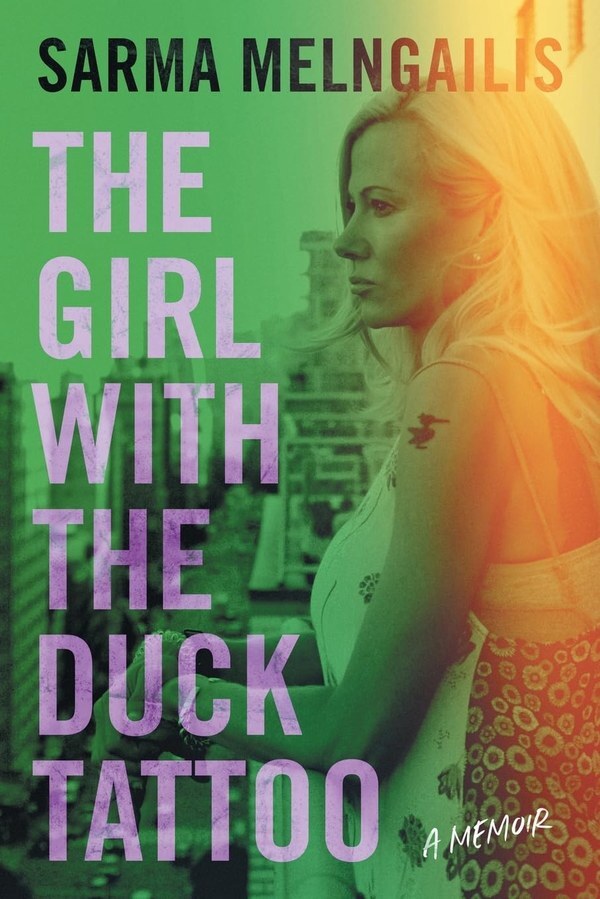
And I'm very happy with how it looks. And what's funny is I did a friend of mine came over and we did a photo shoot and in some of them, I'm holding the book. And then he started telling me, can you throw the book? And I was like, what? And he wanted me to throw the book like sort of towards him, but right behind him. And so we got these really cool pictures where the book is like suspended in the air in front of me. It's both to get those pictures. I threw the book like 30 times and it hit the wall really hard and it's, it's survived it fine.
Like I was very gratified that it survived being hurled against the wall 30 times and like the binding didn't break nothing. So yeah, I'm very happy with the book. I'm very happy with the cover and yeah, I'm very pleased with that part of it. You know, the process of putting it out there is not, is different than I expected. Only you can see it. From my own personal side in that I was going to be relaunching my business and sort of had timed it, had been originally thinking that the timing would be that I would relaunch my business.
The book would come out at the same time. I am doing another docu-series, which is in progress, but that that's something that wouldn't come out for, you know, probably, I don't know, maybe a year from now, maybe less, maybe more, who knows. But that timing didn't quite work out as I expected. And, but yeah, now once it's out there, it's like, all right, now it's just this ongoing process of do another podcast that leads to another thing, do another bit of promotion, do a, do a this, do a that, do an event.
I'm not doing it according to the traditional, you know, models where authors come out with a book and sort of do a bunch of events right away, which I always thought was weird because I did go to some book events, kind of, I mean, I would like to go to those things generally, but I sort of went just to kind of think about it. And what's weird is that, you know, it's like publish, you know, pub day book event. And so you go to the event, but the book has just come out. So nobody's read it. You're sitting there listening to the author do a reading and talk about it, but nobody in the audience has read the book unless, you know, they were able to get an advanced copy, but nobody in the audience has read the book.
So it's like a weird, like, what's, why would you have an event when nobody's been able to read it? It seems kind of weird to me. So, you know, like I just locked in an event at a bookstore near my sister's house in Vermont for September, but yeah, I'll just keep sort of doing events and things. And, and yeah, now it's like an ongoing job of promotion, which is. Yeah. It's the final marathon. I would say like the first marathon is writing it. The second marathon is publishing it. And then you're never ending third marathon is, is, uh, Promotion and awareness.
Right. But it's nice because, you know, the, the work is done, the book is out there. So the promotion is just an ongoing thing that can be done at any pace. And, and so, yeah, I'm just, I have sort of podcasts scheduled. It's sort of spread out. And you're getting great feedback that you can kind of roll into additional promotion and reviews and things like that. And, and, you know, your story is so unique and you've got other hits coming between the business. And I mean, people are still watching, you know, for better or worse.
And so there's just perennial interest in this sort of thing and, you know, having new perspectives on it, new information on it, like there will be endless curiosity. And so you'll have a ton of opportunities, I think for years still to promote the book, correct the record, get your story out there. And. Yeah. And I think, you know, what's gratifying is that it's not just kind of, here's a, here's an entertaining story to read, but here's a story that I know feels really validating for a lot of people.
Yeah. Yeah. Yeah. Yeah. Yeah. Yeah. Yeah. Yeah. Yeah. Yeah. Yeah. Yeah. Yeah. Yeah. Yeah. Yeah. Yeah. Yeah. Yeah. Yeah. Yeah. Yeah. Yeah. people who've been through this to read my story. And then the other part that feels good is that I hope that a lot of people will, especially younger people who read it, will go forward in life and be that much more likely to recognize the signs if somebody comes into their life and it starts to be manipulative and weird. And having read my book, maybe they'll recognize what's happening sooner and avoid it.
Yeah. Well, as you point out, I think a few times here already, it's very difficult to empathize with somebody from that third-party point of view. People who watch the documentary, some of them empathize, but maybe it's only the people who've had near experiences or somebody in their life go through it. And otherwise, it just feels like, oh my God, that would never happen to me. Most people, I think, come in with that mindset. So if your book can help people... People empathize with this as a state and inoculate them, hopefully, against it and keeping others in their life from falling into these kinds of things.
This is life-saving work. Yeah. And then there's a third element of usefulness that feels really good too, which is if somebody has been through this and they're in that situation, which I understand, where they feel like their family doesn't understand. If they're... Family then reads the book, they can go, oh, now I understand what happened to you because I read this very lengthy story about it. And now I see what you went through was similar to that. So that part of it feels really gratifying.
And I have kind of an outline for a book, a follow-up book already. I mean, I've had it for a while, but more and more, I know that I need to write that follow-up book too. Is that... Well, I mean, believe it or not, I stepped into another situation. And one of the things that people are very curious about is my four months at Rikers. And I don't talk about that. I opened it with when I was arrested and I was in jail for about 20 days. So I write about that part, but that I don't write about... The story sort of comes to a conclusion and references my getting sentenced, but I don't talk about that four months at Rikers.
People are very curious about that. But even when I got out of Rikers... I came out and my defenses were down because I had nothing but debt. I felt like I have nothing to take. I'd been through two situations where men came into my life and got an enormous amount of money out of me. And now here I am, it's very public. I am in piles of debt. So my defenses were down and somebody came into my life and craziness ensued. And then I learned it wasn't always about money and it was much shorter. But kind of a lot of craziness there too.
And some pretty interesting stories. And I'll change names, but it's worthwhile, I think, to tell that follow-up story while also then getting to talk about, tell some of my crazier stories from my four months at Rikers because I have a lot of nutty stories from that time. And also a lot of... It made it easier to shorten this book, knowing that I probably... I'll write another one. So I might've wanted to include sort of more, even more analysis and more commentary than I did, but knowing that I needed to kind of get it to a somewhat digestible...
I mean, it felt like 200,000 words was kind of the limit. If I made it longer than that, it would have been a little out of control. So a lot of the things that I cut out, I would be able to put into this follow-up book. It is very hard to find the boundaries of a book. I mean, something we have to take into account is that there's a lot of things that I cut out. Authors all the time is... Don't put everything you know in one book, but it's really... A big part of the art is finding the boundaries and the definitions of where to stop writing about a particular topic or a particular timeline.
And it does help, as you point out, to say, nothing is wasted. Pull out that whole chapter and maybe that's the start of your next book. You don't have to kill the darlings. You just have to pull them out of this particular... Exactly. Just put them on hold. Yeah. Yeah. Yeah. Very interesting. Yeah. We have a lot of authors who sort of... Come into this... It's arduous to write a book. It's hard. It's torturous. In particular, a memoir like this, where you're confronting really hard experiences and memories.
And the thing that pulls a lot of people through is just thinking, this book can save one life. Just kind of the paying it forward mindset of this might be the lifeline that helps somebody else either avoid the whirlpool or pull them out of it. And that can be super, super motivating. Absolutely. And it totally changes the frame from like, this is a success if it sells a million copies, or if it gets on the New York Times bestseller list to like, I, you know, I have an opportunity to save one life and I may not even know who that person is, but like, I'm going to, I'm going to put in these hours, I'm going to do this work and I'm going to, you know.
Yeah. And sometimes you do know the person, cause I've already had somebody exit a situation after reading my book. Really? And yeah. And that person is very happy. And so it feels really good, but it is. Yeah. It feels kind of interesting that somebody has completely changed their life because they read, they were reading my book and started to recognize things and realize that their own situation was not a great one. And so, yeah, I've already gotten that. Wow. Yeah. And they reached out to you after reading it? Yeah.
I mean, it's somebody that I knew before, but not super well. So yeah. That's incredible. Yeah. Yeah, for sure. Fantastic. And then, you know, I. I think we had talked, I had had conversations a while back about a scripted series and that's another way that sort of the longer version might be useful. My original longer draft is that there's been discussions about a scripted thing and the ability to put more into that, you know, more that actually happened. That's actually part of my story, but didn't necessarily make it into my book.
That's another way that that those pieces that I wrote that I didn't include in this draft can get out. There. What are you doing differently with this new docuseries that you're a part of now? Well, it's a very, it's, it's, it does two things. One is it's telling the story of what really happened, which again is very different than the way it was portrayed in that show, Bad Deacon. And then it's also covering my time moving back to New York to restart the business. So there's sort of like a real time element and then going back and, and kind of correctly telling the story and importantly, including all of the analysis of how does this happen? Because that wasn't included in that first docuseries.
There was absolutely zero analysis. They, they had, you know, interviewed a psychologist who understands all of this stuff for a full day, but they didn't use any of it. So there's nobody in that docuseries saying, you know, this is a thing that happens and here's how it happens. And here's all these psychological dynamics. And there was nobody explaining it in that first docuseries. Yeah. Yeah. Yeah. Yeah. Yeah. Yeah. Yeah. Yeah. Yeah. Yeah. Yeah. Yeah. Yeah. And so that, and that as a viewer, I find that stuff fascinating.
I mean, I've watched other shows where, you know, I don't know, the fire festival one on Netflix is a good example where they tell this kind of crazy story and the whole time I'm wondering, okay, when's the psychology, when, when's the analysis of what was really going on in this guy, Billy's head? Like, did he think that that's what I find fascinating. And there was none of that. It was just sort of like, look at this train wreck. And so we'll include the part that is. I believe really fascinating and all of the analysis so that people can understand and actually learn something about, you know, what are, what are the, what are the psychological dynamics at play that, you know, all kinds of things from dissociation and cognitive dissonance and the way that they sort of tap into your emotional system and bypass your rational thinking, and then putting you into a state of fear, which also compromises your rational thinking and all of the things that, and then what are the conditions that need to be in place? Yeah.
Yeah. This to happen in the first place, all of that stuff, which I think is interesting. We include in this one. That's super interesting. Yeah. It's one of those things. It's not always obvious when it's not there, but you know, Netflix is sort of motive is to create the most viral salacious content and sort of tap into that, like that sense of judgment that we have, or the, as you point out, you know, the rubbernecking look at this train wreck kind of thing. And it probably serves them to have a sort of ambiguous end.
Cause then there's conversation about it rather. Yeah. Then feeling like there's an end to the story. And the fact that it's presented as a documentary when it's. Deliberately cut as entertainment is not cool. Ethically. Right? No, not at all. I mean, it was really the filmmaker, , because they, they made it and then they sold it to the platforms, but yeah, he, he made it in a way that, you can very easily see people kind of arguing around the watercooler about, well it should be a really good show.
Well, I mean, it should be a good show. oh, she was in a, no, she wasn't. And that in itself creates controversy. But yeah, it was, I think it was made and probably appeals to that whole genre of people that are into watching true crime where you are kind of watching train wrecks. And I don't know, I don't, I don't understand that appeal because that I don't, I don't like watching that stuff. I've been in the train wreck. I don't want to watch it. I don't want to, you know, emotionally put myself in those places again.
But if there's something to learn and there are valuable stories and there's takeaways, then it's worthwhile. So hopefully that's what we're doing with this next one. As an author going through the kind of whole creative experience, what was the, was the high point and what was the low point? I mean, the, the low point, I guess, was probably just having to go, you know, having to relive some particularly grueling things and, you know, and then not only once, but then you're editing it over and over and over again.
And. I stagnated a lot. I was looking at a series of�P 발�оляement of questions that I've been going through that I'm like, oh, well, then that wasn't something that was part of my routine. It felt exactly like I'd heavy duty like, you know, rewriting something that I may not have in mind. And that's just the biggest one. Yeah. Yeah. Okay. Amazing. So you got, you're like, you're like, oh, okay. Well, then what'd it be? Um, well, I guess사를 asatẻari agentitelmanakamlet initial substitute work itεται anat magicic reading.
have more empathy for other people who've been through the situation or to feel less alone if they've been through it and less you know stupid because what happens is when you go through something like this people don't understand how could you be so stupid how could you believe that person how could you how could you and so to read somebody else's story i don't know makes a lot of people feel less alone so i think that's that's really gratifying yeah i was gonna ask i think you've had a few good answers to this already but maybe there's more what are some of the unexpected good things that have happened as a result of getting this book out there in the world i don't know i'm hoping that there are more unexpected good things to come you know and i think that because the way that i've you know i have a bunch of podcasts sort of in the works so it's just gonna i'm just gonna keep going and one thing will lead to another to another to another and yeah i guess i i look forward to you to more of those pile up i mean it sounds like you saved a life already you're getting great feedback on the book about the reading experience about the you know the dark and the light yeah no it is i mean i i i say this but it it feels so so so good that i keep hearing for people that they can't put it down and also you know so another thing is that i didn't do the audiobook yet at some point i'll i'll do that but i haven't done it yet which again is just i'm not doing it and i'm sort of doing it in in differently than in so many ways that traditional publishing happens but so i've heard from a fair number of people who've said to me they don't read books anymore because i think every so many people's attention span or ability to sit and read a book and focus has been compromised because of our world of the way that we exist now with social media all the stuff that we do and so i think that's something that i'm not doing it yet and i think that's something that i'm not doing it yet and i think that's something that i'm not doing it yet coming at us but so the point is that a lot of people would tell me that they don't read books anymore and they don't have patience and attention span for whatever reason have been able to read this and it's they're like oh it's the first book i've read in years and and they're reading it enjoying it and getting through it so that feels really good too i wasn't expecting that that is amazing especially for you know a big book like it's it's not a it's not a quick read but i do think it's a beach read like it it'll get it'll get it tooks yeah i mean i like to tell people that it's kind of like you're just reading three two or three books that are just bound together because you know i mean i've read some really long books too and there is this element of like it's kind of a slog you know certain books are when it's heavy or it's hard to read or it's hard to follow and i think you know fortunately the pace of this the reading the book flows and it's easy to read but it's not a reading book it's a slow da-da-da-da-da you know it's not it's not a reading book it's not a hard to read but it's not a hard to read but it's not a reading book easy because it sounds like my voice it's just you don't have to like focus really hard to understand what i've written it's just as if i'm telling you a story so it moves very quickly and yeah so it feels good in that way it's just like a couple of books bound together as opposed to like a you know reading crime and punishment or something yeah well those long books or even series are so satisfying partly because my favorite example this is shantaram like it covers 10 years of a very full and fascinating life and so when you finish that book you feel like you've lived a whole nother life and it's a really immersive experience when when you spend you know so many hours with someone it's it's just a different thing than you know breezing through you know another bridgerton novel or whatever it is right i have it's funny i have that book it's in my to be read sort of not quite pile but i have to be read books everywhere and that is sort of myとみиедing Advance 僕の視lov'.
That one's in them. Oh, just read the first page. It's my favorite first page of any book I've ever read. Oh, yeah. I think I have read the first page. And I think I wanted to read it, but right now I'm reading like, I'm probably reading the most different books at the same time because a bunch of other people have sent me their books. And then I've become friendly with other people who had the same pub day as me. And so that's fun. And it's sort of like you link up with these people and you're promoting each other's books.
And that's been really fun. But then, like, you want to read those books really quickly. So I've got a lot of books that I'm reading at the same time. And so I haven't read that. But one other thing that I would say that was a little bit different than expected is, and other people who've put out memoirs have told me this, is that you feel like really uber vulnerable. You know, when. It comes out. Like, it just feels. I mean, I don't know if it was sort of psychological, but I developed this, like, stye on my eye right on.
And I, again, good thing I didn't have, like, these public events scheduled because I had this really unattractive stye on the bottom of my eye right when it came out. And, I mean, I've talked to other people who have said the same thing, that you just feel very, very, very, very vulnerable. And, like, you just kind of want to crawl under the covers. And. So it's weird because you're celebrating and you're excited that it's out there. But at the same time, it just. Part of you just wants to sort of curl up in a little ball and and hide under the covers.
And. I don't feel very exposed. Yeah, I was going to say there's there's like a clone of you walking around naked all over the world and you are not sure that you. And you're not like feeling hot either. You know what I mean? It's like you're like naked and pale. And it's cold and you're shivering and, you know, your hair is matted down. It's not like an attractive. It's like you're. Yeah, you feel super vulnerable. And like, are people going to accept me? Yeah. Yeah. You just feel very vulnerable.
So that's something I would. I don't know. I mean, I don't know what you can do to be ready for that. But I've talked to other people who put out memoirs that were not nearly as kind of deeply personal. And I've heard that same thing. And even from, you know, I listen to a podcast with Christie Brinkley. Talking about her memoir and her having this panicked feeling when it was coming out that like, oh, my God, is anybody going to care? Is anybody going to read it? Is she just going to sit there in piles and nobody's going to buy it? And I thought, oh, she felt that way, too.
You know, so I think it's pretty universal if you put out a memoir that you feel really super vulnerable and exposed. Yeah. I mean, all books are personal. You know, everything with your name on it is personal. But memoirs, I think, are a whole nother level of. Like, especially this kind of like extremely honest, you know, you feel like there's already sort of a jury around you. It just takes a crazy courage. So, you know, I appreciate and salute the artist's courage that it took to finish this book and get it out there and carry the flag.
And, you know, do everything that you're doing to promote it and help all the people that you're helping by getting it in their hands. Yeah. Thank you. I appreciate that. And I'm going to do it all over again. But it won't be nearly as grueling to write the second one. I think it'll be. It'll be a lot smoother and more fun. But, yeah, it's something I really want to do. Once you've been through the maze once, you at least. I don't know if it's faster, but at least, you know, that there's an end to the maze, you know? Yeah.
Well, I mean, you know what the process is. And then I think importantly for me, what was really hard about writing this book is that because of all of the dissociation, there was so much that I don't remember. And it was just really painful to try to go back there. Yeah. And a lot of work to try to piece things together. And like looking at my Instagram timeline and emails and G chats and texts and trying to figure out and then not remembering in what order things happened. And so having that sort of trauma induced dissociation, that made it really, really hard to write.
That was just like another layer of difficulty. So with the second one, I won't have that. I remember everything. I have a lot more documentation that's straightforward. And I could I feel like that with that. That element removed will make it move a lot quicker and smoother. Yeah, that makes sense. As we look forward. So we're recording this like mere weeks after the book has come out. So everything is still very fresh. You've just kind of crossed that threshold. But I really like to kind of project out, you know, five or ten years, whatever is a comfortable time frame for you.
What are you hoping that, you know, your sort of life looks like in five or ten years? And how does this book play into that? Well, I, as I mentioned, I was working on rewriting. Restarting the businesses. And that has been a much different process than I thought. But I think ultimately might work out for the best. So but the way, you know, so ideally I've I've been, you know, I've got my business back up and running, which, you know, the the people, the people who appreciated it and loved it before really, really, really, really want it back.
I mean, every day I hear from people. Oh, my God, would you please reopen? I want your products back. And and in a market now where. It even makes more sense than it did before in terms of people being into very clean eating and clean ingredients. And and then there's this added layer of people who never experienced the business, but they want to because of what they heard about it and have seen about it. And then there's just this element of I can't tell you. I mean, it means so much to me, but also daily.
I just hear from people, you know, this is like people in my DMs telling me they're rooting for me and that it's so inspirational for them to see me go through. What I did and to then stand back up and rebuild. So I feel like there's a lot of support for this to happen. And it's kind of a no brainer to do it. And then coupled with a docuseries coming out and, you know, maybe a scripted version of the story. Like, I just want it to be useful. It's what I've wanted all along is for what happened to me and my story to be useful.
So I think it can all come together in a really nice way. And so hopefully that's that's where things are in the future. And and then I've got the second one. I'm out or coming out. And yeah, that's hopefully where I'll be. That's amazing. I mean, it's that's that's the hero's journey, right? Like you, you build something up, you see it torn down or taken away and you have the strength to get up and build it all over again and prove that it wasn't luck. It wasn't timing. You can do it with, you know, you can do it the first time and you can do it with a headwind.
And, you know, that's that's the human condition is like trying to overcome the obstacles that. That fairly or unfairly come across our path. And, you know, when we see people living that, I feel like it's just this natural human instinct to like pile in behind them and support them and help them and help them rebuild and take some inspiration from it. And. You don't believe that that person represents the best of each of us. Yeah, it's interesting because I do sometimes part of how I get through difficult things is I I look at what's happening in the context of a story.
And so, you know, something that seems like kind of a devastating setback. I look at it and I immediately go, oh, I can project forward in the story where I'm looking back going, I'm so glad this thing came apart because that person clearly wasn't right for this. And so in the future, I'll be like, I'm so glad that fell apart and that person is now out of my life and now I'm in this much better situation and it all worked out. So I just project forward. And, you know, whether that's a coping mechanism.
Or a rational way to think about it. It certainly helps to think about as you're going through stuff, it being part of a story. And I've had that in kind of surreal ways, too, where even when I was in jail, I sort of had these moments like, oh, I should remember what's happening right now because it's so, you know, funny or interesting or something that I could see being really compelling on the screen. So I need to remember this because one day it's going to be on a screen. I've had a lot of those moments.
That's very interesting. I think that's totally rational, if not like and even if it's not rational, it's useful. It's a useful belief. You know, there's like classic fiction advice is like, you know, create lovable characters and then put them through hell. Yeah. And you see those, you know, the challenges, the obstacles is what develops the character, whether it's, you know, fiction as you're writing or an experience that you're living and going through yourself. And it's our job to persist. Yeah.
Yeah, exactly. So how like I'm deeply honored that you chose Scribe and that we got to publish this book and play a part and be that kind of partner for you in like really owning your story in every creative decision. That's like a core principle of ours. But I'm just curious, you know, as honest, you know, honesty is the only helpful way to answer this question. But just like what was your experience like, you know, working through this book with Scribe as a partner going from rough draft? Yeah.
I mean, I can I can say with all 100 percent honesty that it was great every step of the way. Like, I can't think if it was just you and me and we're not on a podcast and you're like, look, just tell me, like, what could we have done better? Which I have done and will do. Right. I would be like, I don't I don't know. I know I can't think of anything like I really had a great experience and felt very, very supported. Right. Yeah. Yeah. Yeah. Yeah. Yeah. Yeah. Yeah. Yeah. Yeah. Yeah. Yeah. Yeah. Yeah.
Yeah. Yeah. Yeah. Yeah. Yeah. Yeah. Yeah. Yeah. Yeah. Yeah. Yeah. Yeah. Yeah. Yeah. Yeah. Yeah. Yeah. Yeah. Yeah. Yeah. Yeah. From the editing to the cover design, the whole process, the the level of, I don't know, the quality of the people and the the whole process. And I know, you know, having written, having gone through with a major publisher, the process twice before with a with a cookbook. Yeah. I feel really, really, really, really, really pleased with the whole process. And and I think it just.
Yeah. I mean, I having control over the whole thing. all aspects is so so so gratifying and the timing as well you know because i you know with a with a major publisher it's like typically it's like when the manuscript is finished to like oh it'll come out in a year a year from now or a year you know basically to be able to do it at whatever pace you want is is super gratifying and then obviously to be able to control the process going forward in terms of you know pricing and paperback versus hardback and audiobook and all of that you know i think you did a really good podcast with somebody and then there's a tim ferris podcast out there that i have saved that i send to people all the time where they go through sort of the the like the structure of traditional publishing and how the incentives of the big publisher and the author are completely misaligned and even at odds and so you know i i for one think that the whole information is so so so important and so it's it's it's it's it's it's it's it's it's it's industry is going to be changing pretty dramatically.
Yeah. I think the environment favors the self-publishers. I think Hugh Howey is that the Tim Ferriss podcast? Yes. That's a really good one. I have it saved. And whenever people ask me about traditional publishing versus independent publishing, I send them that episode. Yeah. And my episode with Paul Millard. Exactly. That's the other one I have saved. Yeah. Both of those are great. And my stepmother's a writer and I was at an event where she had a lot of her sort of writerly friends. And, you know, I was in the process of working on this book and they're like, oh, who's your publisher? Like, you get that question all the time.
And then when you say that you're doing it independently, it's not, you know, one of the big names. You get this look very often like, oh, and there's this immediate judgment where they sort of look at you as if, like, there's this immediate assumption that you couldn't get a publisher, that like you couldn't get a publishing deal. And it's like, no, I, could have gotten a publishing deal, but I chose to do it this way because I'm playing the long game and, you know, for all the reasons that we've already talked about.
So I think, I hope that'll change over time too, because that, that judgment doesn't feel good. Yeah. It's kind of, oh, you didn't go to an Ivy league school. It's like, no, I got a full ride to Berkeley. Like, sorry. Right. Right. Exactly. And so, yeah. And people, you know, clarify without being kind of obnoxious about it, but I wanted to say like, no, no, I chose to do it this way. I could have gone to a bigger publisher. I could have sold my book, but you know, I also turned down a deal with a major studio for the scripted rights for similar, kind of for similar reasons, just because I felt like a, the timing wasn't right, but also I would have been completely letting go of all control of the story.
And I don't want to do that again. I would rather hold out for like, you know, I think if it's going to be done in a scripted way, it can be done really, really, really well. And it needs to be again, useful and sort of not anyway, either way. So I, I, again, I, I sort of did that where one might've thought, oh, why wouldn't you take that deal? But I, for me, I'm sort of in the long game where holding on to sort of more, a control isn't sounds like you're being a control freak, but it's not. I, I view it more as protection.
Like I'm protecting the story and protecting the, I mean, I was very much like that with my business. The reason why there were a lot of outside investors that I didn't want to engage with was because I wanted to protect the integrity of what we'd created. And so it's kind of a similar feeling here as I want to protect the integrity of this versus it being like, oh, she's a control freak or she wants to have control slash power. No, it's more about protecting the integrity of it and making sure that it's going to be maximally useful.
Well, and you know, the, the creator's vision committees rarely make good art and you know, that's what you're doing when you, when you sell the rights and when you, you know, sign up with a big publisher, what you're doing is giving, you know, layers and layers of people, some of whom you may never have met veto power over your creative decisions, essentially, especially with something so personal as this, or when you have such a clear vision, that's, you know, you're, you're giving up a lot for that, that money.
You know, they, they say you're selling your book for a reason and you're selling your book in many cases. Before many decisions are made that you may want to make. Exactly. Yeah. I mean, even, even, even people don't realize that, you know, publishers have control over what the cover looks like, you know, I mean, it's especially for a memoir, like how could, how could you sell that to somebody else? And I've watched other authors too, going through, you know, like the, the book tours and doing all the grueling promotion and the beneficiary of that.
That is mostly the publisher. I mean, you know, the author is too, but the, the publisher is benefiting from all of that work, all of that ongoing promotion that you're going to be doing more and more and more and more, you know, doing it this way. You know, I'm, I'm the primary beneficiary, which is useful because I still got all that and still get all that debt from the past to pay off. So. Yeah. And you're, you're got businesses to rebuild. I, I am, I'm going to beg you and I'm going to beg you and I'm going to beg you and I'm going to beg you and I'm going to publicly and privately continue to beg you to do an audio book.
It is a shocking percent of my, my book sales personally, as an author, it's so much higher than I anticipated and it's been growing. And I think there's a lot of people for whom, you know, if they hear book, they search in audible or whatever. And if it doesn't show up in that app, the book may as well not exist to them. And they are a listener, not a reader as an archetype. And so that is a really like, it's an important. Yeah. I really, really want to do it. It's mostly just expense at this point.
But I might have worked out some, you know, I might have some, a good option for a studio space and you know, my, my book will take a long time. I think also audio is where the length is an advantage because as somebody who I'm on the audible plan where you get like one credit every other month. So you want to make that credit. Like I'm way more likely to buy, you know, like the, you know, I listened to the Walter Isaacson, Elon Musk memoir and like those 20 hour books is like, Bargain when you use your credit for that.
So I think in audible, a long book is an advantage. I agree. I've heard Brandon Sanderson say the same thing. Actually. It's, it's so funny. Right. Cause you don't want to waste your credit on like a book that's four hours that you're going to listen to in one thing. You want to get your money's worth. It's so funny. That's the opposite of like, people are intimidated by long physical books, but they feel like they're getting a great value from long audio books. Exactly. And I think there'll be some fun options in terms of, the voice of the Mr.
Fox character and how I can do that, whether it's a male actor or his actual voice or AI. And, and there's also certain freedoms publishing this way where I might be more willing to take certain, make certain choices that a big publisher might, you know, their attorneys might say, Oh no, you can't do that. Where I'm like, no, it's fine. It's fine. Really? That person's going to come sue me. Bring it on. Bring it on. Like I'm fine with it. So that's another area where having the freedom to make certain creative choices is really meaningful.
Yeah. That's a great point. Well, Sarma, do you have any, this is always my sort of closing question. Do you have any advice for authors who are just starting out or considering starting out on their first book as somebody who's just climbed the mountain? I don't know. I mean, maybe like I, I I'm very late to sub stack, so I started a sub stack and I think getting into that habit of writing posts and writing, especially if you're, if it's advice for somebody who's going to write a memoir, getting used to kind of writing about yourself and your own experience is certainly helpful.
And also in sub stack, you can kind of, it's a bit of practice. So, and, and then also once the book is out, it's useful because some of those, there are a couple of sort of complete chapters that I removed, like completed chapters, just took the whole thing out. And so I might be able to kind of put those into sub stack. And I think that that's a good way to sort of start practicing. I also, people have been asking me for, I always tell people to read Mary Carr's book about writing memoirs because she's, I think one of the greatest memoir writers.
And I quote from that book in my book. So Mary Carr's book about writing memoir is great. And yeah. And I think writing it sort of with, with the idea in your head, not, not thinking about the final product and how it's going to be received, but just writing your story as if you're telling, you know, a best friend, everything that happened is kind of the easiest way to, to get through it and to think about it. And, and also just writing that first draft is probably the hardest part. I actually kind of sometimes very much enjoy sort of the editing process, but it's that initial writing part.
That's painful. And then I also, I found I use Scrivener, which I quite like, I don't use it. I don't know how to use all the functionality there, but especially when your story isn't necessarily linear and you might want to move things around a lot. Scrivener is really useful for that, that writing software for like taking chunks and moving them around. And then at some point you got to kind of pull it out and then kind of keep it only in Word. But I found Scrivener really, really, really helpful, especially when you're, when you're potentially kind of rearranging sections and moving them around.
Yeah. Love it. All fantastic advice. Thank you for writing this book. Thank you for putting it out into the world. Thank you for giving us a chance to be your partner in this. We're very proud of you and proud of the book. I'm so very happy. And I also, I made a website where I put photographs because, you know, putting pictures in a memoir, that would add a lot to the printing cost. But because I have so many photographs, I made a website, which confession, I haven't fully, I haven't finished uploading all the photos, whatever.
Again, I guess I'm just doing it my own way, but yeah, I mean, the website is just the title of the book and then there's sort of a list of chapters and you can kind of click on each one and there's corresponding pictures to what I write about in that chapter, which I don't know, sort of, I haven't seen anybody else do that. So. Very cool. And pulls it into like, makes the, the seemingly surreal feel even more kind of real and present and shows the truth of everything that you went through. Yeah.
And I think it's just kind of fun. Cause when I'm reading memoirs, I very often start Googling the people and want to see who they are and what they look like and the various people that are in that story. So I just made it easier for people when they can. And if you're like, did this really happen? He's like, yeah, here's a photo. Yeah. Oh, I have all my receipts. I mean, I have, you know, my book has a lot of original journal entries and G chats and text messages and emails and, you know, and I have all of that.
Backup. So I definitely, if somebody questioned anything, I could be like, Oh, nope, I've got the receipts. I love it. What an, what an incredible undertaking. And I'm so excited to see over the next few years, this, this whole, the whole Sarma empire get rebuilt from, from restaurant to books to the new docuseries and see how many lives get touched by the work that you've done. Thank you. Thank you. Thank you so much..
Want to Write Your Own Book?
Scribe has helped over 2,000 authors turn their expertise into published books.
Schedule a Free Consult