← Author Hour

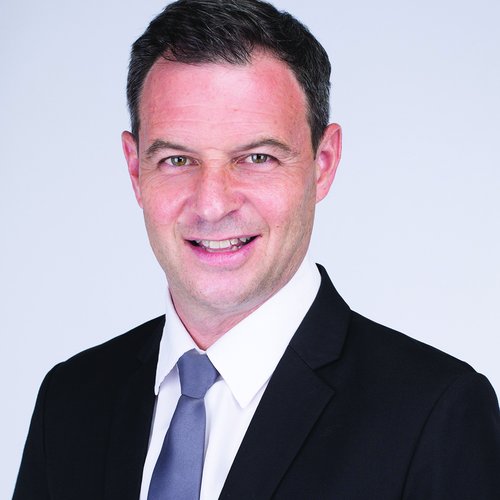
John Schachnovsky

John Schachnovsky: 72 Hours That Became My Book

December 03, 2025 · 35:11

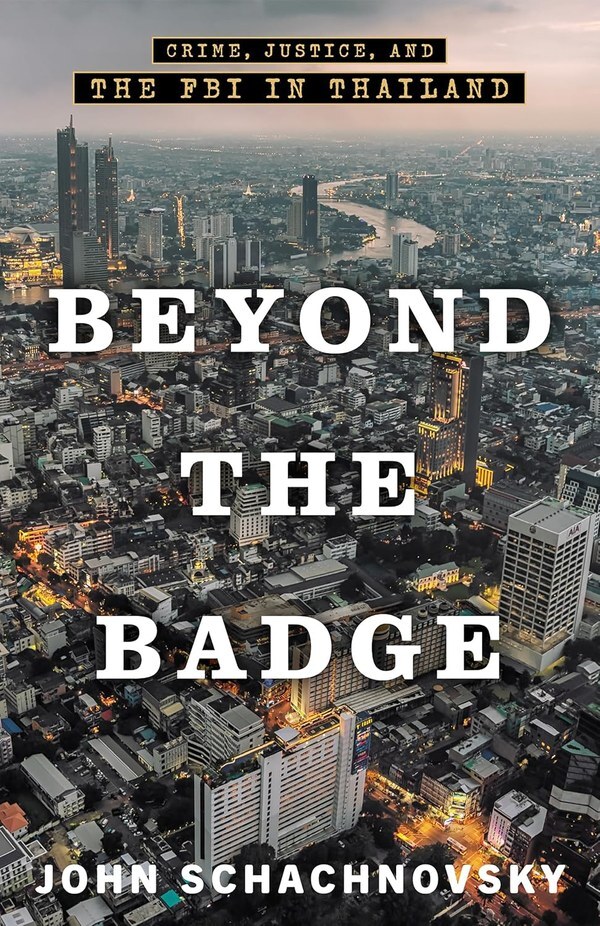
Go deep inside the real stories behind Beyond the Badge as former FBI agent John Schachnovsky reveals the most shocking case from his years working in Thailand. In this interview, John shares the wild, unforgettable moments that inspired his true-crime memoir—from investigating hundreds of FBI violations overseas to uncovering a case involving fake passports, an unexpected shooter, and a freezer full of body parts. You'll hear how John's career evolved from the U.S. Border Patrol to San Franc

Transcript

John, thank you so much for taking the time to come chat with us. Thank you for having me. It's great to be here. Thanks a lot. I'm very curious to get into the story of your book, but the story of the book is not going to make sense without your backstory. So for the uninitiated, will you give us a little bit of a background on you and how you spent your career? Sure. Yeah, I started after college. I wasn't 100% sure what I wanted to do, but my dad was a government worker for his whole career. Worked at police officer and then he worked at a national security agency most of his career.

So in college, I played a little bit of ice hockey and didn't know what I wanted to do. Realized pretty early on that ice hockey was not going to be my life. Wasn't that good. So I say this, my fallback option was to go into, you know, dad's business, which was law enforcement or security or that kind of thing. So back in 1993, many years ago, when I got out of college, not many agencies were hiring. It was kind of a federal job freeze. So one of the places hiring was the U.S. Border Patrol. So I applied there, not having any idea what they did at all.

Grew up in the D.C. area, not near a border. My dad said, hey, the Border Patrol's hiring. OK, I applied to literally having no idea where or what it was. Took the test up in upstate New York, where I was in college and got hired and went. And I was in the Border Patrol in Douglas, Arizona for a couple of years while I was down there. At the time, Attorney General Janet Reno flew out there to see our station. And I met one of the FBI on her security detail. And he said, you know, more or less, what are you doing here on the border with a college degree and all these things? And I said, because, you know, you need one at the time being Border Patrol.

I said, look, I'll be in the FBI. Sounds great. And he said, here's my card. Apply. I remember calling my dad saying, Dad, I can apply to the FBI. And he's like, sure. I said, how come you didn't tell me that? So I applied to the FBI. Took a couple of years to get in. So I started with the FBI. My first office after the this is 1999. I went to Quantico Academy, graduated first office with San Francisco, California. Did that for eight years. And over the course of those eight years, I threw my wife and I on vacation and me working out at a Muay Thai boxing gym and all those things.

Found Thailand. Went and visited here on vacation and thought this is somewhere I think I might want to be. I knew the FBI overseas. Assignments. So I made it kind of my goal to go overseas for a while. Got hired by the got transferred to the office in Bangkok, thinking I would do it and go back and continue the career. Absolutely fell in love with Thailand so much. So I did my first tour here four years with the FBI in Bangkok. Went back. I was the number two. It's called the assistant legal attache, the number two in the office.

Went back to headquarters for kind of one year. You're required to do one year back in the U.S. before you can apply again overseas. Did that almost a year to the day. Came back out to Bangkok as the head at the legal attache. Did the rest of my career there about six more years and then retired here in 2019. And we retired for six years now. Wow. I'm so curious. I mean, this is such a Hollywood movie kind of job. And so it just seems like such a romantic, adventurous, crazy thing. What is like what is a day in the life of an FBI officer? What is a day in the life of an FBI officer? What is a day in the life of an FBI officer? What is a day in the life of an FBI officer? What is a day in the life of an FBI officer? What is a day in the life of an FBI officer? What is a FBI agent deployed abroad in Bangkok? Really different than that FBI in the States.

I mean, obviously that you're still an FBI agent. But when I was assigned to San Francisco, I was assigned to a drugppsoque eşt görüş wirking I also investigations. From there, I transferred over to white collar crime investigations. I did a lot of different things, but kind of I would say pigeonholed. But in one area overseas me in Thailand, everything.δ expects is Japanese money. I tiếนี๊...... cobra against about 300 violations of law, maybe even more. I saw about 280 of them here. Bangkok is the most traveled city in the world for tourism and for vacations, about 25 or so, over almost 30 million people travel here every single year.

Number two city, I think, is Istanbul, but not even close in numbers. So we see everybody here. So tons and tons of crimes. What the FBI does overseas is, briefly, is number one, we cover leads for agents that are stateside. For example, an agent in Chicago has a case where there's a phone call made to Thailand. I'll use Thailand as the example, because I was here, but there's agents in 70 countries all over the world. So we all do similar things. So somebody makes a phone call to Bangkok. Someone sends an email to Thailand.

There's a bank account here that's being used for fraudulent purposes. You name the case in America. If there is a connection to Thailand, my job is to investigate that. What is that connection? Why is somebody contacting? Why is somebody traveling here? Number two is if we are certain crime types that we are allowed to open the case here, meaning I don't need an agent in the US to be the connection. And that's for a couple of crime types where the US Congress has given the FBI extraterritorial authority.

Two main issues you would know are number one, counterterrorism. So if a terrorist attack happens overseas where an American is injured or killed, a US business is damaged, we can open a case. Open it here. Straight out of... No need to have a case. You don't need to have somebody in America tell us to. We open it. Third is if the Thai police have one of their citizens in America who they're looking into. I'm their conduit. They get a hold of me. I contact the agent in the US and talk to them about, hey, I got somebody in New York, Chicago.

You need to help us out, help the Thais out. And lastly, we do capacity building. A lot of training, a lot of classes, a lot of that kind of stuff, new techniques. So those are kind of the main things that we do overseas. It's sprinkled in other things, but those are the main jobs of the FBI overseas. So I come in the morning, check my email, get a phone call. At the time, I had a BlackBerry. It was years ago. I checked my BlackBerry, whatever it was. It's so long ago now. But I would check it and say, okay, what's going on today? You walk in the office.

Tidally, it was interesting. There was never a time when headquarters in DC was open at the same time we were. Right now, it's 12 hours. We're on the opposite side of the world. So for me, the funny part was I'd be in the office all day in Bangkok. Then I'd go home and Washington DC was waking up. So I get a lot of emails. It's a 24-7 job. I get a lot of emails. I get emails at night saying, hey, what's going on? I need you to do this and this. All right, well, it's midnight. Let me do it tomorrow morning.

But that would be a lot of those kind of discussions. Yeah, Bangkok feels like probably it's just such a dynamic place. It is. So much coming and going. Yeah, kind of an interesting haven. So retired for six years now. How did you decide? I want to get into a little bit of the story of the book. Throughout your whole career, were you sort of making mental notes of like, all right, that's going in my book. That's going in my book. That's going in my book. That's going in my book. Or are you surprised to find yourself here? I'm surprised by myself here.

I'm on that two sides of the coin. I am on the side of the coin where I am surprised. You know, being here so long, I was 10 years, when I retired. But the last couple of years of my career, I just realized, you know, go to parties and go see friends. I'm a nice hockey player. There's ice hockey in Thailand. So I'm in a league here. So there's friends all across the board here. And everybody would tell me when I would have drinks. Or just go to dinner. Or be on the bench at a hockey game. And they'd say, you've got to write a book.

Your stories about, your stories. I don't know. None of these guys are, none of these people are FBI agents. Or, you know, a lot of teachers out here. Business people. And they would say, how are you not writing a book? And I'm like, what are you talking about? I'm not writing a book. So, you know, it didn't, it didn't, it really didn't dawn on me. I think maybe after I'd heard it for the 10th time, I said, all right, well, maybe when I retire, I'll look into that. So for me, my journey starts literally thinking that way.

And then COVID hit. And in COVID. What are you going to do? I was like, you know what? If there's ever a time to begin to put the stories on paper, COVID was the answer. Because we were locked. I mean, Thailand was the second country to get COVID after China. There are so many, during Chinese New Year, around February of the next, you know, December. We kind of heard about it, you know, over in China. And then 2020, like February, thousands and thousands and thousands of Chinese citizens take their Chinese New Year vacation and come to Thailand.

And they brought COVID. So, to Thailand. So, it hit here a second. So, during COVID, I'm going to start writing. And I started writing. And it was a very, very, very slow roll. That's kind of where it started. All right. So, yeah. Tell me the story of the creative journey. I feel like that's something authors always like. Yeah. You know, we're all sort of like feeding off of the wisdom of the authors who just made it through. And like, it's just a constant conversation of like, what was it like for you? When was it hard? When was it easy? How did you get through it? How did you structure it? How did you get through it? How did you structure it? How did you structure it? No question.

Yeah. No question. The beginning was hard. I started writing during COVID and thought, I cannot do this. I cannot do this on my own. So, I remember talking to a couple of people. Actually, a guy at my gym who was an author. And he had told me all about how he would, you know, talk to people, use, use. People would assist him. And, you know, his first book he ever wrote, he said, you know what? I talked to somebody. They gave me ideas. I sat down with someone over coffee and they gave me ideas. And then when it came to the printing process.

And then when it came to the printing process. And then when it came to the printing process. These are the ideas. And it came to the cover. These are the ideas. So, you know, I quickly realized that I wanted to talk to people and get assistance through this process. And once I began to reach out to people, that was when I said, okay, I can do this with people. Kind of help me through the process. And I have stories. I can talk. I can tell my story. I do it all the time. But beyond that, to put this on paper, it's a process.

I was never a big writer in school. So that was kind of, for me, it was the way beginning. Once I got past the first stages of like trepidation and realized what is this process going to entail? Once I got past that, I don't want to say it flew by, but it was so much easier. What was that groove that, like, what was the switch that flipped for you? When did it become easier? When I began to put my stories in order. When I began to realize the way to do this. Like, how do you do this? I mean, I remember.

When I started writing myself, no one around, no talking to nobody. I remember typing and thinking, where is this going to go? I mean, there's a really big difference between knowing what you want to say and putting it on paper. And I never would have thought that. And to know that, you know, I want this book to be 200 pages or more and more, you know? So how am I going to, you just can't write, you know, this is how, you know, the way you began this, this, this conversation with where did you start and, and, and the border patrol and then the FBI, I kind of began writing it that way and realized.

Yeah. This book will be about 30 pages long. So, you know, then I, so then I realized, okay, I need to figure out not with, I mean, the thesis of the book or whatever. For me, I'm not a business writer. It's about my life. It's more of a memoir slash true crime memoir. So for me, I knew it needed to be structured in a way where let me show the reader who I am and then get into the cases. And even that, okay, what does that mean? Get into the cases. So I learned the process that I'm going to write.

And for my book, for example, it was, you know, I have a case about counterterrorism. I have a case about fugitives. I have a case on, on, on white collar crime. How do I tell those? And I figured out working with people, the answer should be, Hey, tell the people, what does the FBI do on white collar crime? And then discuss what you did on white collar crime. Then say, what does the FBI do on counterterrorism overseas? And Oh, by the way, here's an example. And once I kind of had that structure, that was really so much.

But then I realized, you know what? I may actually finish this book. It's good. Way to stick it out. Yeah. It's it's you have such interesting material here. That's like, you know, part, I find some of the most interesting books don't neatly fit a box of like, Oh, it's a memoir. Oh, it's a, it's a how to whatever. And so combining like a, if you like true crime, you will love like a memoir by somebody who lived a true crime lifestyle, who has all this like array of stories from decades of experience and people that they gathered in firsthand.

Like, there's just no substitute for that kind of like that realism. I think is, and like the personal attachment to the, the author, like, it's just fascinating. Looking at it now. I mean, I've, I'm doing a little bit of, I mean, it's great for me. I'm doing a couple of, uh, some publicity and, and some couple of podcasts interviews. And, you know, there is this, this, the thought that for some people, true crime is write a book about a case. A case sometimes it's not solved yet, whatever. So for me, as you said, a hundred percent correct.

It's really, you can't put it into a box. It truly isn't just a memoir because I am talking about crime and how we investigate crime and, and going into the specifics of cases. But it isn't one case that we're going through in a couple hundred pages and, you know, trying to tell the reader, Hey, get involved. It's get involved in a true crime case. We maybe isn't solved yet. So, yeah, so it's, it's, it's kind of, I tell people it's, you know, it's a true crime memoir. And then add to that, there's so many books about the FBI domestically FBI in the U S all the cases.

So the light has never been infrequently. Do they shine a light on the FBI overseas? For the most part, people say, wait a minute. Yeah. It's overseas. I didn't know that. And that's Americans. Let alone the expats from all over the world here who I'm friends with. I meet people. Wait, I don't understand. How are you? And actually tonight before I, before I did this, this call, I was at a dinner and some American citizen said, wait, wait, wait, no, you said you're FBI. I don't understand. Like he's American.

I'm like, yeah, but we don't have FBI in Thailand. I said, you do. And he's an American. So I mean, even to this day, I'm still almost daily. I'm telling people no, no, no. So there was the reasons I wrote this book. The number one reason really was I thinking before telling my stories. Is that I want. To shine a light, a positive light on the FBI overseas and show the world Americans. Everybody, you know, is 14,000 agents in the FBI. Only about 200 overseas. Very small. We cover. We cover 180 countries and 70 different offices.

It's just, it's such a massive group that no one knows exists. So that was one of the main reasons I wrote the book. That's really wild. Yeah. Very interesting. You don't, I don't want us to give, give everything away, but like one of the, one of the, one of the tentpole stories, like give us a teaser of, of what's going on. Sure. One of these kind of. Yeah. Everyone asked me my, my favorite case. And it's always difficult because you get excited about it and realize, you know, there's somebody died in this case.

So you always say you get excited and happy about it. I'm not just for me, the excitement of the case. So my, my biggest case, I would say entirely, which is in the book is a case where the Thai police were working in immigration case. They found a guy on the streets here who had a fake passport and the Thai police, you know, kind of did an investigation. Where'd you buy the passport? He admitted it was fake. And they went to the house where the guy said he bought the passport. Lock on the door.

I'm like, I'm not part of this case yet at all. They knock on the door and the guy answers the door. A Western man to the door. I may say, Hey, show us your passport. He says, okay, follow me. He invites the police inside his house. They walk up the stairs. He said, it's in my safe, which makes sense. People keep their passports over. She's their safe. They go upstairs. He opens the safe, reaches in, pulls out a gun, turns around, fires and shoots. One of the police officers in the stomach, he collapses and he's put under arrest.

And then after he's under arrest, they, at this point, they find he has many passports with his face on them. So he's got a lot of fake passports. That's where one of my colleagues contacts me and says, Hey, John, group of police officers at this location. They found a bunch of passports. Can you do us a favor? If we send you digitally, if we send you a message with a bunch of American passports, get a few of many countries. Can you check with the embassy? And see which of these are real. If any of them are real or if they're fake or kind of verify this guy's nationality.

He's not talking. I said, sure. I'm waiting. It's a Friday afternoon. I'm there Friday afternoon. I think I'm picking up my son, like from a play date or something with some friends after it was in the evening that night. And I'm waiting, waiting, waiting, waiting at a table in his friend's parents, his friends, his friend's parents house. And my phone goes off and it rings. And my buddy says, Hey, John, we got a problem. Not sending you passports. While they were searching the house, they found a freezer.

Open the freezer. And they found black plastic bags with cut up body parts. So we now we need your help. We know who this guy is. We arrested and we have no ideas in the bag. And there's your teaser. The next 72 hours. My job was to help find out who was the shooter and who was in the bag. And I did that. And that's in the book. There's your teaser. That's a good. That's a. Oh, you got me on a cliffhanger. Yeah. All right. That was the goal. That was the goal. Pulling up Amazon right now. Yeah. That's like the first, you know, five, 10 minutes of a.

You know, a movie that I'm definitely going to watch to the end of. Good. Yeah. Amazing. I mean, you hinted at this a little bit, but like. It's interesting that you sort of had to start writing a book with no real. With no super clear vision of like what it was going to look like when you were done. And that's a hard thing to do. It's a lot of people's kind of first book experience, too. I'm curious how the like the twists and turns of sort of the vision that, you know, the creative crossroads you went through as you were writing.

I mean, I think. Creative crossroads really for me were. A big part of this is the FBI. So I need to get my book approved by the FBI. So for me, I have. I have. Yeah. So it's it's there's an office at the FBI called the. Pre publication office. And they review scripts for movies and TV shows and books. And if you're planning to go on on a big type interview about current events with the years. I mean, now that being said, I learned through my process that not everyone does it. Yeah. The pre publication office has this.

So they're always checking and monitoring. I didn't want to be that guy who didn't do it and spoke about things that were in. I shouldn't speak about. So I want to mess with the post publication office of the. No, no, no, no. I don't think you would. Yeah, that's less. That's less public knowledge of what happens in that office. So I don't want to know. So, yes. So I knew for me before I even started writing, actually, I contacted that office ahead of time and said, all right, what are my guardrails for the FBI? It's mostly you can't discuss.

Open cases wasn't a problem for me because my cases were all closed. Can't classify cases, which wasn't a problem for me is most of the work overseas. When you work with foreign police officers, it can't be classified anyway because they don't have clearance. So usually my stuff isn't some is some isn't for the most part. I knew what I was going to write wasn't going to be so sources and methods. The big third thing you're talking about sources or methods of investigating that aren't public knowledge, which, you know, I don't at the time you don't really want you're in it for, you know, 20 years in your job.

You only know you don't forget nowadays. What do we know? What do we know? What does the public not know we do? So that's the part where I was kind of worried. So my creative process was immediately cut down to you can talk about this, this and this and not this, this and this. So for me, it was a lot of working on a chapter, reviewing it and saying, all right, I can't say that. I cross off and change it and that kind of stuff. So that was that was a big, big part of it for me. Once I knew what I could and couldn't write, I got to tell you, and I would never give the FBI credit for this, but maybe those guardrails actually helped me write more.

I knew what I couldn't say. It's OK, I can't do that. And that would kind of fuel some ideas. OK, but I can talk about that. Let me let me explore that for a while. So that would be a lot of what I would be, you know, in the discussions I would have before I wrote on a chapter that would be kind of discussed that. So that was a lot of the creative process. And really, I think the most creative processing that I did was I would sit down for a couple of hours and and sit down at notepad actually and write down, OK, remember all the cases you worked? Because remember, I mean, I was I'd been retired.

So my case that I had my last year, my career right in front of the front of the brain here. But the cases I worked in 2008 to 2009 or 2010, I did a lot of reminding me I was doing some Google searches and looking at newspaper articles in Bangkok and my myself. And I called I had when I was the assistant legal attache or legal attache, the head or second. I remember the people I work with and I would actually text them and say, I'm working on a book. What do we do on this again? And they remind me.

I do a lot of reminding. My. I'm not going to tell you what I did, but I do remind myself what I did, because it's even though it is my memoir, even though it's kind of I have a little bit of creative license. I can't get it wrong. Not because not because you would know my story or someone else would. But there's some FBI agent who knows a story who, if I didn't get it right, is going to call me and say, did you get that all wrong? So I can't. I had a lot of that to have less fear that even though maybe 20 people in the world know my stories because they were part of it.

I know FBI guy, you wrote a book, make sure you do it right. So those are kind of the things that I needed to remind myself that helped on the process. Did you get any resistance from from peers? I know that's a thing in some of the military branches of people are like hassle and get hassled from by their buddies when they when they go to write a book. And it's just not part of the culture of some organizations. Is that is that a part of the FBI or not? Less so. That's the question. So I didn't know.

And looking back, I probably had that thought. And. But for the FBI. The. Everyone I told about it or asked about everyone was pretty positive about it. I didn't get any I didn't get any real major blowback. I mean, you know, that no one told me publicly. They made me behind my back. They were saying, now there is this there is this I mean, you turn on the news nowadays and there's always an FBI talking head somewhere. So there well, I mean, you know, the FBI is not some FBI rival agencies will always say the FBI is always the ones front and center.

They're always the ones on TV. They're always the ones in the movies. So I hate to say that. Maybe. This is going to fit the stereotype. But, you know, most of the FBI said, I know I should do a book now, too. Like a lot of people I've heard on writing a book and say, oh, I have a good story. So I think that that that no, I haven't I think that much negativity I got a lot of once I finished. Am I in the book? And if not, why not? Come on, man. I got a lot. I got a few of those people saying, why am I not? I was part of that case.

I go, come on, man. Seriously. Write your own book. It's not a yearbook. That you know, we got to keep the reader in mind here. It's just like, you know. Yeah. Well, for some people, I did say yes. But some of my some people are in it. So I made sure they knew they were in it. But the war is becoming the book launches. It is in a couple of weeks, December 9th. It's the book launch. So it's a couple of weeks. So as we're getting closer and closer and getting people saying, oh, I saw, you know, I'm on I have a couple of an Instagram channel just just I have my own personal one, but I had one for the book and people are following and say, oh, you're doing a book.

So what cases did you work? And what cases are you putting in there? Am I in it? Am I in it? All right. Just play your role a little bit here. Buy the book and find out. Yeah, exactly. Exactly. Yeah. Very cool. I mean, one of the things I really treasure about what we do inscribe is like helping books live and exist that might not otherwise exist. So the people that sort of have a book locked in their head or feel like there's friction between them and the book that they want to put out into the world, like being able to reduce that is huge.

I'm curious. This is this is a perfect time to sort of ask, you know, what were your high and low points through the process of creating this book and maybe baked into that? Like what advice would you give authors? Authors who are just setting out or think maybe they should write a book or where you were a few years ago where people keep reminding them like, Hey, maybe, maybe you got a book in you. These stories are good. Sure. Yeah. I mean, the high point for me, I mean, I think it's gonna be maybe cliche, but the high point for me, I mean, getting the book in my hands was the coolest thing ever.

I mean, I'd like to say, I mean, the process was great. I mean, it's close. Second, the process reliving my cases was amazing. I mean, it's really that is you asked before. You know, I'm a big fan of the book. I'm a big fan of the book. I'm a big fan of the book. I'm a big fan of the book. I'm a big fan of the book. I'm a big fan of the book. I love the book. I love the book. I love the book. I love the book. I love the book. I love the book. What was, what was the creative process like? And, you know, really even the cases as a, as, as part of it.

And I want to add to that and say, for me, for agents who work so many cases and you did a long career, you don't stop and look back at your cases. We aren't, I hope, I believe FBI is a pretty hope to be a humble bunch. We did our careers. We love the job. It's the greatest job. I love it. But I don't sit back and think, wow, I had so much cool stuff. You don't do that very often. You just had a career. Like anyone's job, you had a career. But writing the book was really, I was able to go back and think, wow, that was a cool case.

And, well, we did some good on that one. You know, kind of stuff you don't say to yourself at the time. So I would say I can't lie and not say it wasn't having the book in my hand was the coolest moment, the high point. But a close second was being able to relive the cases. I mean, low point, you know, for me, the low point was literally the start. When I decided I want to write a book and I realized, wait a minute, this is harder than I thought it was going to be. But so the advice really has to be for people, you know, you have a lot of writers on here who are writers, who are actual writers, who that's their, you know, and they went to Scribe for whatever, for great reasons, because Scribe's been nothing but good to me.

But I'm not a writer. So for me, I would advise to be, if you're a new writer and you haven't written a book before, getting that to start. Because I'd said for a little before COVID, I said, you know what, maybe I'll try. Maybe. Maybe I'll try. Maybe, maybe. Back in your mind, but you don't know where to start. The answer is just start. If it means to you personally, starting to sit in front of a computer and write down some stories and get a skeleton, get a skeleton of a book or something, an outline, whatever it means.

And, you know, if you're going to reach out to Scribe later on, or you're going to reach out to Scribe from the beginning. But my opinion is get something down on what you want the book to be about. Put down some ideas. The most basic thing. I mean, for me, it was an outline. You know, it's like, you know, 10 bullet points of the cases I worked. These are the cases I want to cover. And that's it. And then from there, it's so much easier when you have a structure. Because it sounds, for me, it's so daunting to say I'm going to write a book and not have no bones for the book yet.

But get some bones on paper and go from there. Yeah. You made a couple of great points in there. Like momentum counts for a lot. Momentum counts for a lot. And just find a way to never face the blank page. You know, whether it's talking to somebody and turning that transcript, you know, those notes from that. Or whether it's starting with an outline or a bullet point list. Just like if you can turn writing a book into a game of fill in the blank. It's actually really fun and engaging. And like you have momentum the whole time.

And it's you kind of avoid that like existential dread of like, oh, my God, what is this thing? I'm disoriented. I'm lost in space. What am I doing? So huge credit to you for essentially doing that on your own. Like a lot of people need help in coaching to kind of figure that out. And, you know, you and COVID just like just intuited your way there. Yeah. I mean, I think that. And I think that for people who are thinking about it. I mean, I've since I wrote started the book. And now since I, you know, pretty much finished, I have met people now who do from all walks of life.

And they'll start talking. I said, you know what you should do? You should write a book. I'm really I'm such a I'm such a fan of what I am doing it. You know, look, I'm not going to tell you that every single person I walk in front of to write a book. But I've met people who are in different professions. And I find myself actually my wife keeps making fun of me saying, how can I really write a book? I'm like, I don't everybody. But if I hear someone's story, I'm like, you know what? You have a story and people want to hear it.

And if people don't want to hear it, you like what you do. You have passion for what you do. So for whatever line of work you do or whatever you do in your life, if you're interested, if something you've ever thought about, you've never thought about it. I can be the poster child saying I am the last person that most people would say wrote a book and write a book. Most people from my college professors to my mom and the last person they would say write a book. So, I mean, if it's in if there's a twin.

Go anywhere in your mind that you are in your eye that you want to write a book. Do it because I did it. And, you know, once again, could be cliche, but if I can do it, trust me, anybody can do it. I love your story, too, because it's you clearly found the process very rewarding itself, which a lot of authors do. Even it's hard and different people find it harrowing at different times or uncertain. You know, you're facing a lot of uncertainty in the translation between what is in your head and what can you can get out on the paper is sometimes hard.

But it's also. I've heard so many authors say that they felt that sense of reward to zoom out and reflect and and give back that you're sort of talking about having of like revisiting all these things that you didn't take the time to appreciate in the moment. Yeah. And to add to all that, something that I can tell you now, probably because of scribe and how great experience it was for me. I am crazily thinking about writing a second book. So and that is just that is there's no I mean, there's that's that's that is if I can give a testament to scribe.

There's no way. If the process wasn't anything but great that I would say, I want to do this again. And it's I mean, you know, I have other stories and other ideas and whatever. But that even beginning to think about that is because of the process I went through was such a good experience, a good experience, because if it wasn't, I would not spend the time it took to do this to do it again. I mean, we all have lives and I could think. But this is this is I mean, and my wife said she's was along for the whole process.

And, you know, during she said, God, this is you're loving this. Like any time I was working on this or editing, whatever it is that you're loving it. So I said I am. And and and I think I said to her, you know, like a month ago, I know we're still on the final stages of the first book, but I'm thinking about second one. I said, yeah, great. So that was that's that's a testament to how good the process was for me. That's awesome. I had I'm sitting here as part of scribe talking to you about this because I had the same experience, you know, five, six years ago writing my first book and being like, once you once you kind of make it through that maze and you find that it's fun to go through.

And you find that it's fun to go through. And you have this good experience of both like the process of creating and the outcome of having created are both enjoyable. And you're like, wow, that yeah, I do have a lot of ideas. My list of book ideas grows way faster than my ability to produce books. But yeah, I can definitely relate to that. And I'm so glad that we were able to facilitate that. Did you know from the beginning how you wanted to publish this? What was your sort of decision around how to get this book out into the world? And I didn't have I mean, I as newbies go from the people you've spoken to.

I am the newbie. And I'm like, I'm going to do this. I'm the newbie. I know what that even meant. It was it was it. I didn't know when I finished, when before I even started, if I'm going to go down this path. And then I sit down looking at my computer. I have a book on there. What do I do next? So it was somebody who had used a service similar to scribe in Asia. And he's the one who told me, you know what, you know, do some research, you know, find find the company that can assist you in this or the people that can assist you in this.

So for me and I, you know, it's one of those ones where I don't know if this is good or bad for you, but I Googled and I found I found that. I mean, I did. I Googled as basic as it gets. I Googled and I came across a few. And then I first thing I did was I didn't I interviewed from my side. I made a few phone calls and spoke to people, different companies. And I put I from what I'd heard and and what I was told on the on the Thailand, they're all in the US. So on my Zoom calls with them, I. Pretty quickly, I remember I pretty quickly chose scribes because of what I heard and the process.

And and, you know, it's possible that the other place had the same product, had the same process, but the way scribe explains it. And I think if I remember correctly, like in the contract with scribe or the paperwork, it says we make this easy for you to understand. And they do. It was it's the you know, we're talking to you like you have no idea what you're doing. And I'm like, great, I don't. So that's good. So really, really get you. And I want to say that other places were a little bit and they might not want it to be ambiguous or what you're going to do.

But I knew with scribe what I was getting into, what the plan was, how how it's going to work. So for me, it was once I just chose scribe, then the scribe process of interviewing people was, you know, that that was just it was all it was all great. But that's the genesis of it all was I was the Google searches. That's awesome. And it's I hadn't considered it before even asking the question. But like, you know, if you're. Passing an FBI agent's due diligence, then you're doing something right because your your approach is not like I don't care what you say.

I'm going to go I'm going to find my sources. I'm going to do my research. I'm going to like, oh, I did. Oh, I did. Yeah, that was yes, I definitely, definitely did. It was it was that was a part of the process for me was doing my. Yeah, that's right. So not being an FBI is the pain because you just don't stop yourself from keeping at some point. You got to stop. But I'm not there yet. Lovely. Awesome. Well, anything else that is like top of mind for you? I just. I'm so thrilled that you're you're here after years of work and years of writing and the many more years of service, which I thank you for.

And I'm so glad that this book is getting out into the world that we're able to be be a part of facilitating it. Yeah, I mean, thank you. This is this is this is great. Definitely. Like even just this talking to you is just kind of it's I keep thinking I'm at the culmination of the book. And then I talk to you. Okay, this is maybe talking to Eric. That's maybe a combination of the book as well. So it's it's great. I mean, I. I hope people read it. I hope people like it. I hope it does what I wanted it to do, which is kind of show the FBI in a good light.

I hope the FBI people that read it like it. You know, it's trying to be a book book for many people. I am really, really happy with how it turned out. Most importantly, I'm happy how it turned out. Really, really happy for the launch and to see how it does in America. And for me, I have maybe different than many people. I have two big markets that I'm talking about. I mean, obviously, the U.S. is a big part of what I'm doing, but Thailand's a massive. I mean, I. I'm having a book launch event in Thailand, and I'm so excited for that.

And all the Thai police officers who are in the book and those that are just, you know, who know me for years, they're going to be guests of honor at the book launch. And so I'm really I had the Ford was written by a Thai police general who's pretty high ranking now. He's going to come. He's going to give his presentation speech at my book launch. So I'm really, really excited. I feel like, you know, all this has been great. I know that the next couple of months I just have much more fun and exciting parts of the book process.

So I'm really excited to see what the book has to look forward to. Yeah, that is so cool. I really look forward to seeing those those photos and to hear your your feeling in those moments. You know, this is this is another sort of chapter in a pattern that I hear a lot of authors feel like really especially sort of authors where their book is an end cap on their career and a culmination of it. And to just feel really like seen and celebrated in a way that like is hard to is hard to have without like that book as a as a kind of a gathering point.

So that is really cool. I look forward to the photos in here and all about it and sharing this. And this this rhymes with a couple of books that I really have loved reading through my life. So I'm excited to check it out. The book is called Beyond the Badge, Crime, Justice and the FBI in Thailand. That's it. Check it out. You got to know we got to know who's in that freezer and I got to know how you solved it. This is the book. You'll know. You'll know that that in more cases that just it just looks like I appreciate you, John.

Thank you so much for you for writing this book. Thank you. Thank you so much. I appreciate it..

Want to Write Your Own Book?

Scribe has helped over 2,000 authors turn their expertise into published books.

Schedule a Free Consult